
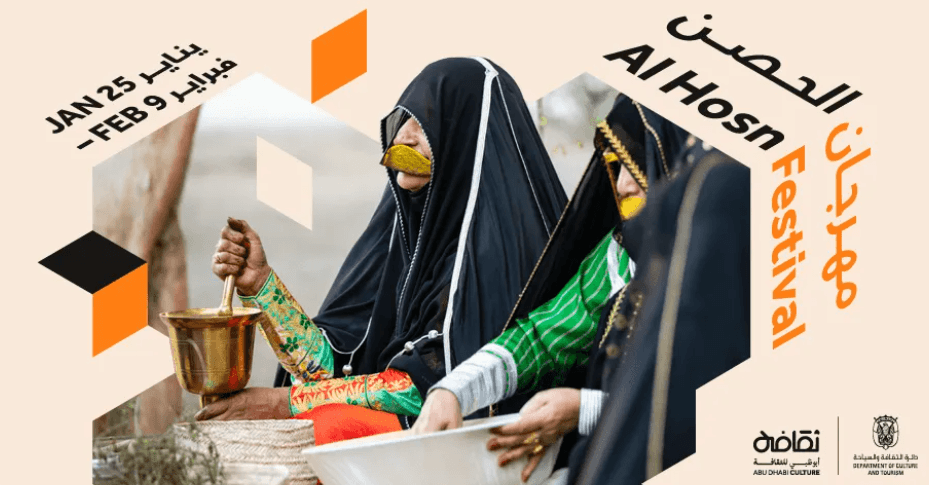
Each year, the historic grounds of Qasr Al Hosn transform into a dynamic cultural landscape during the Al Hosn Festival, inviting visitors to experience Emirati heritage not as distant history, but as a living tradition. Here, culture is something you walk through, listen to, taste, and actively participate in.
Launched in 2013, the festival has grown into one of Abu Dhabi’s most anticipated cultural events. Since its inception, it has consistently drawn large audiences, united by a shared curiosity about the UAE’s roots and a desire to reconnect with the traditions that shaped the nation. Its purpose remains clear: to bring Emirati heritage closer to communities and international visitors alike, while celebrating the historical significance of Abu Dhabi’s oldest standing structure.
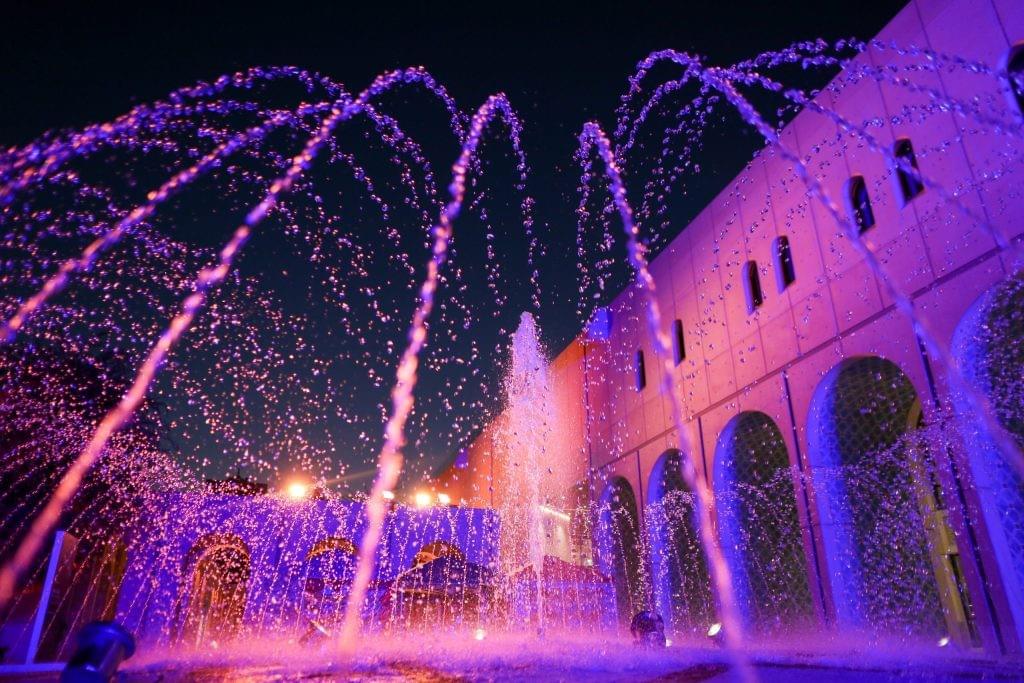
Running this year from January 17 to February 1, the festival’s centrepiece is an evocative evening performance that retraces the discovery of water in Abu Dhabi and chronicles the evolution of Qasr Al Hosn, from an 18th-century watchtower safeguarding precious resources to a defining landmark at the heart of the city’s development.
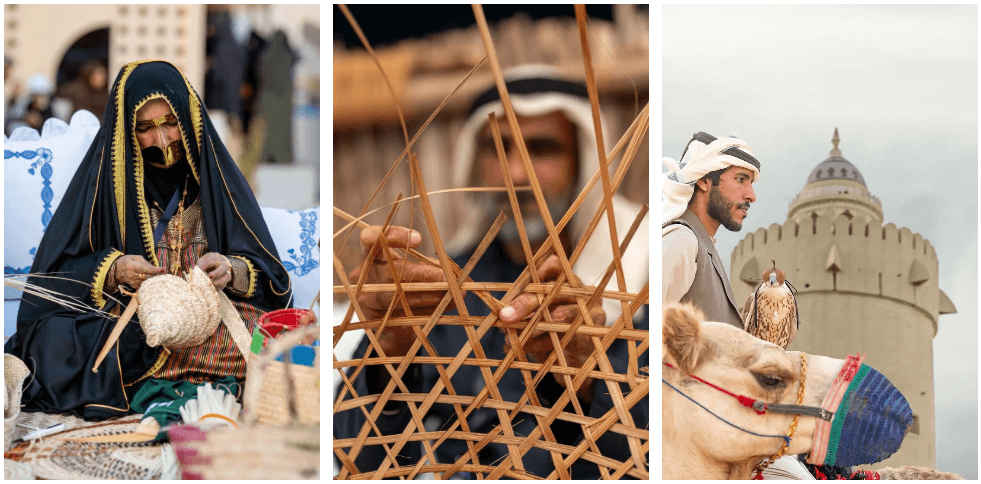
Throughout the festival, heritage unfolds in multiple dimensions. Poetry, music, and movement fill the air, while desert-rooted traditions come to life in interactive ways. At Majlis Al Shilla, visitors encounter traditional expressions such as Al Taghrooda, Al Wanna, Al Mankoos, and Al Radha. Falconry displays, saluki showcases, and hands-on camel experiences offer opportunities not merely to observe, but to engage with longstanding practices embedded in Emirati identity.
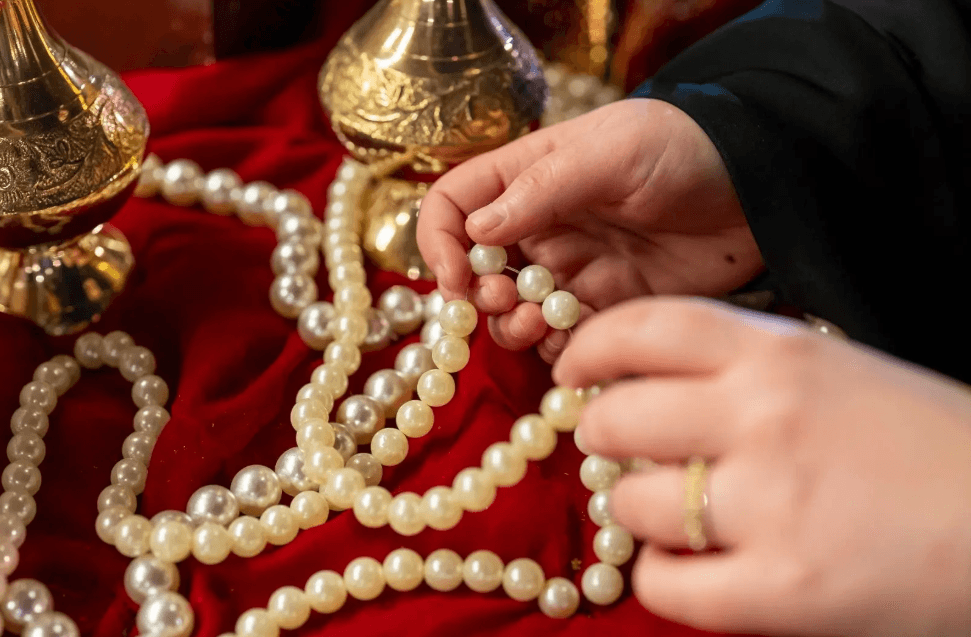
Craftsmanship is another defining thread of the festival. At The Freej, 18 live artisan demonstrations and seven practical workshops invite guests into the making process, alongside traditional Emirati games and a bustling souq featuring 50 vendors presenting perfumes, textiles, jewellery, and locally crafted products.
The Building Workshop: Crafting Al Hosn offers deeper insight into traditional construction techniques, revealing how skilled craftsmanship shaped the architecture of the fort and continues to influence building practices today. Adding a playful yet educational dimension, Bait Al Hazawi introduces an interactive escape-room-style experience inspired by themes such as etiquette (Al Sanaa), palm trees, and maritime heritage.
Textile traditions take centre stage in Threads of Gold, curated by the House of Artisans. The exhibition highlights the artistry behind traditional garments, exploring the patience, technique, and narratives woven into every piece. Family workshops run alongside, encouraging intergenerational creativity and shared cultural discovery.
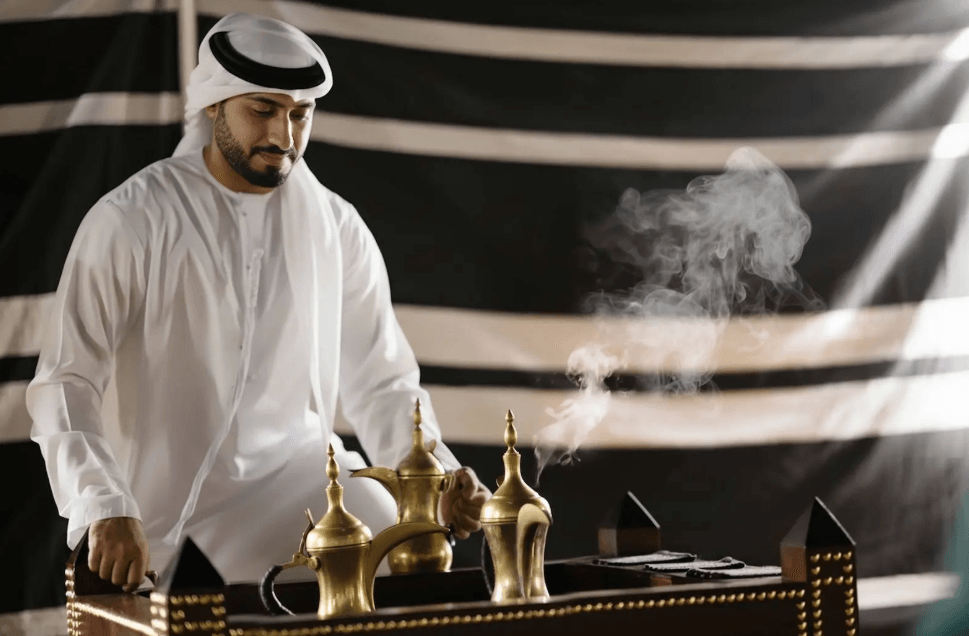
Hospitality, a cornerstone of Emirati culture, is woven throughout the festival. The Emirati Gahwa Lewan presents an immersive exploration of coffee traditions, from preparation tools and aromatic rituals to etiquette and ceremonial practices. Live demonstrations, workshops for adults and children, discussions, and youth-focused sessions such as Sanaa Al Gahwa Al Sagheer nurture the next generation of cultural custodians. At its heart stands Bait Al Gahwa Café, offering a welcoming space to pause and connect.
As evening settles, storytelling and sound shape the atmosphere. The Jalasat programme features Emirati musicians and singers performing traditional melodies, accompanied by poetry recitals that layer memory and voice onto the historic setting. A parallel digital family experience celebrates the Emirati dialect through pronunciation, meaning, and cultural context, transforming language into an immersive exploration of everyday expression. Culinary experiences further enrich the festival’s landscape. With 60 restaurants and food trucks, alongside retail spaces spotlighting Emirati-made products, the event gradually shifts from a structured programme into something more organic, a meandering journey of flavours, conversations, and shared tables. At Al Hosn Festival, history is not confined to exhibitions or stages. It lives in the hands of artisans, in the rhythm of song, in the aroma of gahwa, and in the collective experience of a community gathered around its heritage.