
London: Clay may be one of humanity’s oldest creative materials, but at Ceramic Art London 2026, it spoke with an unmistakably contemporary voice. Returning to Olympia West, London, from 8–10 May 2026, Ceramic Art London brought together an international community of ceramic artists, collectors, curators, galleries, designers and enthusiasts for a concentrated exploration of what clay can represent today. Now in its 22nd year, the fair has established itself as one of Europe’s most significant platforms dedicated to contemporary studio ceramics, an event where centuries of material knowledge meet experimentation, conceptual thinking and highly individual artistic languages.
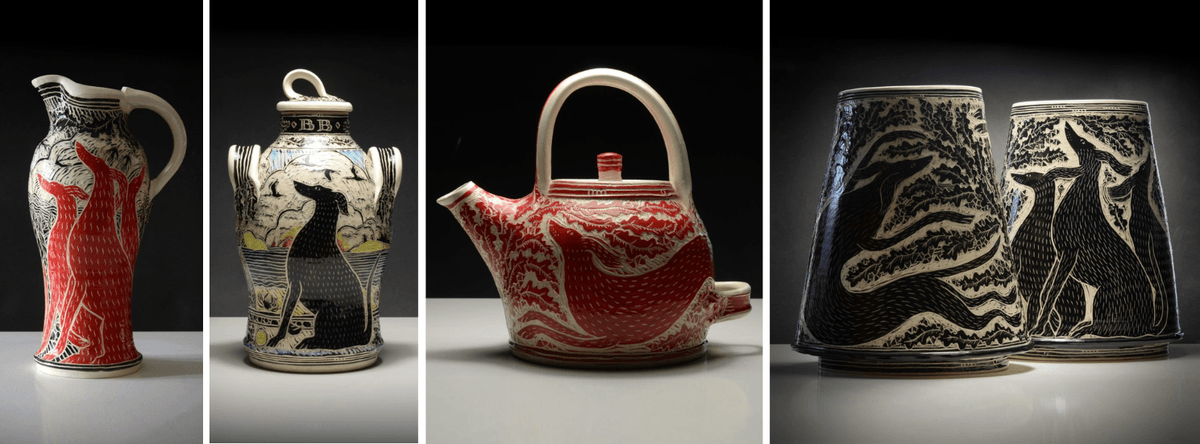
Artwork by Simon Olley
Curated by the Craft Potters Association of Great Britain, the 2026 edition demonstrated something increasingly evident across the international art world: ceramics can no longer be comfortably confined to the traditional division between “art” and “craft”. At Ceramic Art London, the vessel can be functional, sculptural, conceptual, architectural or poetic. Clay becomes surface, body, landscape and memory. And that is precisely what makes the fair compelling.
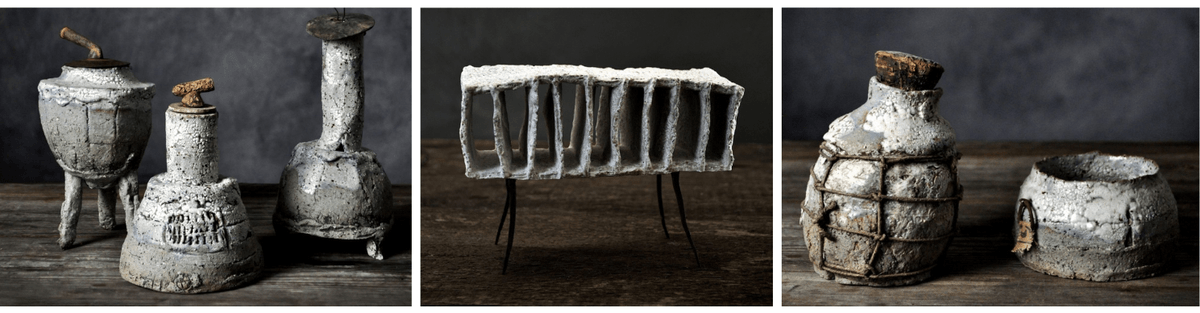
Artwork by Simone Krug-Springsguth
A Fair Built Around the Maker
Unlike larger multidisciplinary art fairs where ceramics may occupy a small section within a vast commercial environment, Ceramic Art London gives the medium complete attention. This changes the experience significantly. The emphasis remains firmly on the maker, material and object. Visitors are able not only to encounter completed works but also to understand the individual practices behind them.
The 2026 fair attracted more than 300 applications from 27 countries, with approximately 125 makers selected through a rigorous process. More than a quarter of the exhibitors were new to the fair, bringing fresh practices into dialogue with established ceramic artists. The international representation was equally significant, with makers travelling from across Europe and countries as far afield as Japan, Korea, Canada and the United States.
For an art form fundamentally connected to geography, the particular qualities of earth, minerals, firing traditions and inherited techniques, this international exchange creates a fascinating visual conversation. A Korean ceramic tradition may meet European sculptural experimentation. Ancient firing processes can sit alongside contemporary surface technologies. Minimal vessels coexist with highly expressive forms. The common material is clay. The outcomes are extraordinarily different.
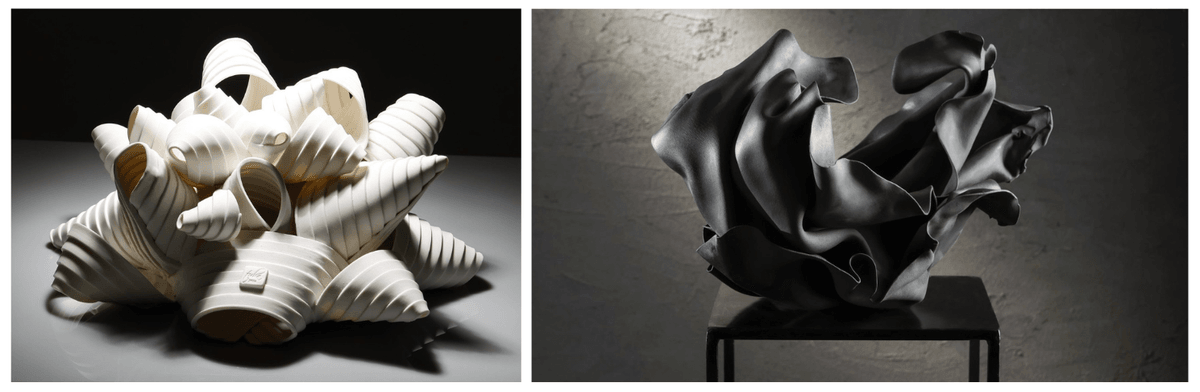
Artwork by Tuba Önder Demircioğlu
When Craft Becomes Contemporary Art
One of Ceramic Art London’s greatest strengths is its refusal to force ceramics into a single identity. Historically, ceramics has often existed within an uncomfortable hierarchy in Western art discourse. Painting and sculpture were positioned as “fine art”, while pottery, textiles, glass and other material disciplines were frequently categorised as decorative or applied arts. Contemporary ceramic practice has steadily dismantled those boundaries.
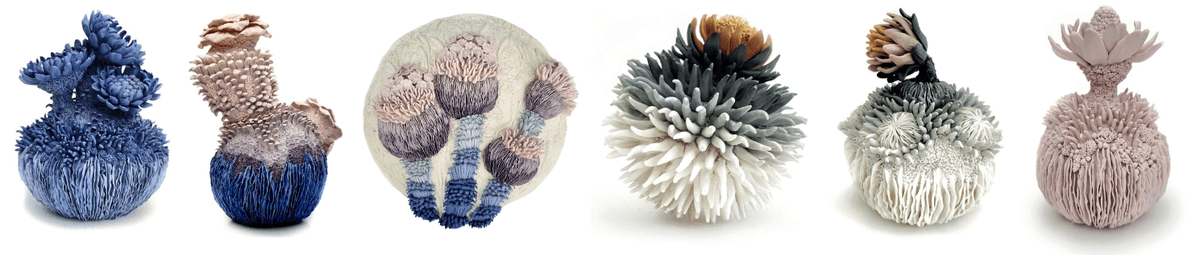
Artwork by Erum Aamir
At CAL, this transformation is visible everywhere. Some artists remain deeply committed to the vessel, exploring proportion, glaze, firing and surface with extraordinary refinement. Others approach clay as sculptors, creating objects whose relationship to function has almost completely disappeared. Elsewhere, ceramic works become investigations into identity, ecology, architecture, mythology or the body. This diversity is important because innovation in ceramics does not necessarily mean abandoning tradition. Often, the most interesting work emerges when inherited techniques are reconsidered through contemporary ideas. Tradition becomes a foundation rather than a limitation.
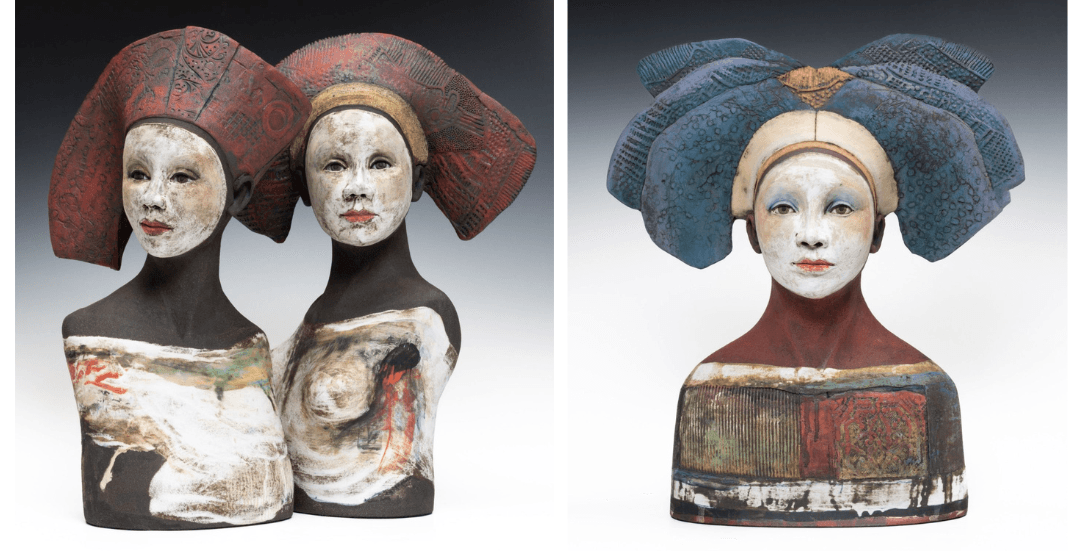
Artwork by Sally MacDonell
The Intelligence of the Hand
In an era increasingly shaped by screens, artificial intelligence, digital fabrication and accelerated visual consumption, there is something particularly powerful about encountering an exhibition centred on objects that reveal the evidence of making. Clay remembers touch. It records pressure, movement, hesitation and force. A fingerprint can remain embedded within a surface. A slight distortion during firing can alter the final character of an object. Glaze responds to chemistry and heat in ways that can be guided but never entirely controlled. Ceramic art therefore occupies an intriguing position between intention and unpredictability. The artist begins the work, but fire completes it.
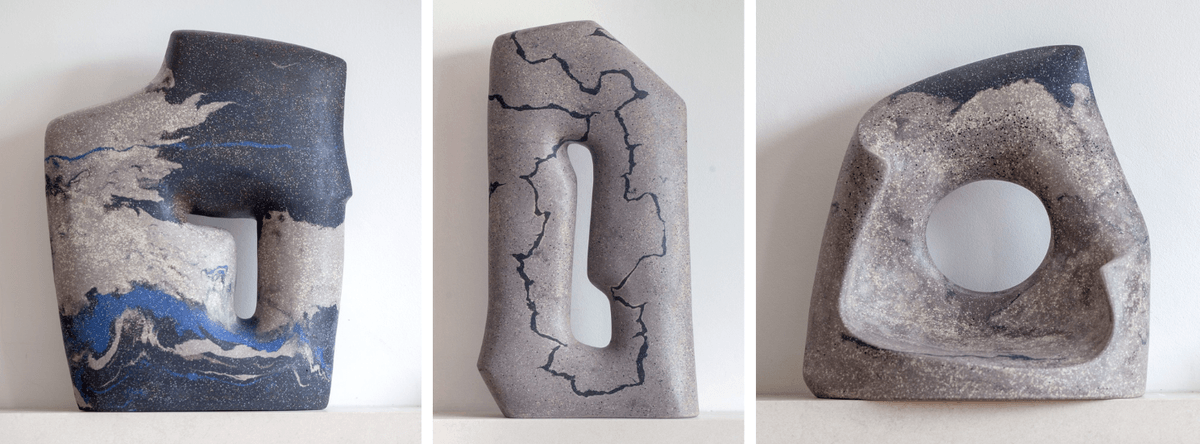
Artwork by Marek Pitera
Ceramic Art London celebrates this material intelligence. Rather than presenting perfection as the only measure of technical achievement, contemporary ceramic practice increasingly embraces irregularity, fracture, texture, asymmetry and evidence of process. What once might have been regarded as imperfection can become the defining visual language of a work. The hand remains visible. And that human presence matters.
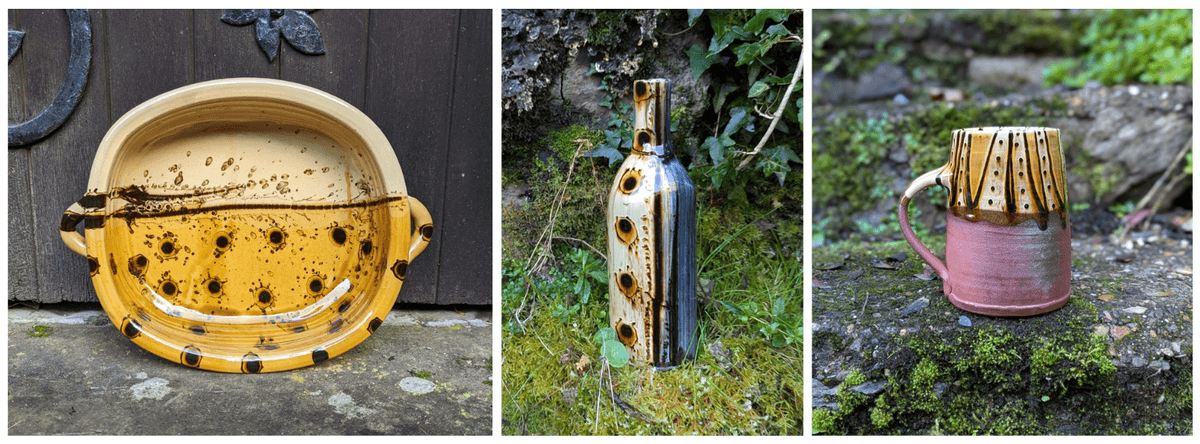
Artwork by Russell Kingston
From £30 to £10,000: Building a Culture of Collecting
Another notable aspect of Ceramic Art London is its broad collecting spectrum. Works at the fair ranged from approximately £30 to more than £10,000 for significant collectors’ pieces, allowing very different audiences to participate in the market. This accessibility is important. A visitor encountering contemporary ceramics for the first time can potentially leave with an original work without entering the financial territory associated with major international art fairs. At the same time, experienced collectors and museum professionals can discover sophisticated works by established ceramic artists.
The fair therefore operates simultaneously as a marketplace, exhibition, educational platform and meeting point. More than 5,000 visitors from over 30 countries attended the 2026 edition, demonstrating the expanding international audience for ceramics. The presence of collectors, galleries and curators alongside students, designers, enthusiasts and first-time buyers creates an unusually democratic atmosphere. There is seriousness without unnecessary exclusivity.
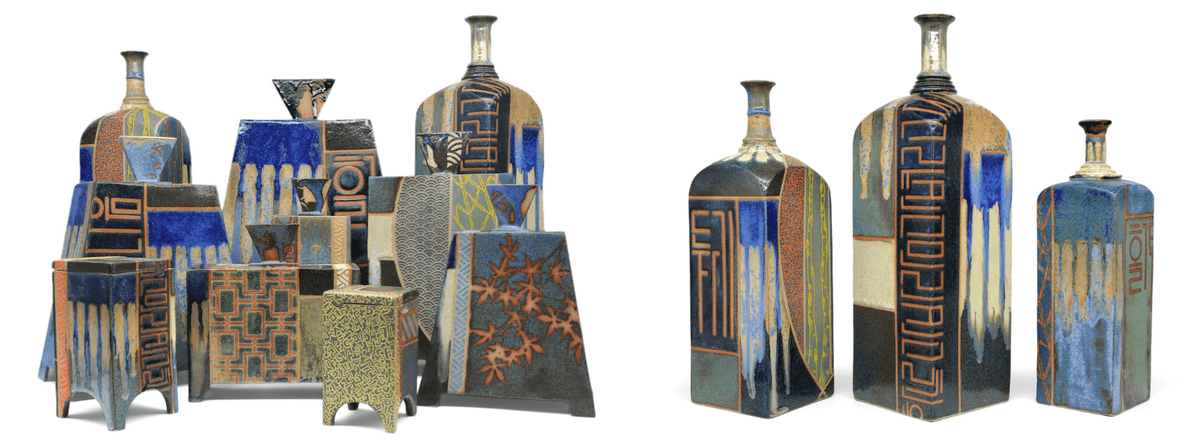
Artwork by Miae Kim
Established Voices, Emerging Perspectives
The exhibitor selection brought recognised names into conversation with artists making their Ceramic Art London debut. Among the makers represented in 2026 were Ashraf Hanna, Vanessa Hogge, Peter Beard, Matt Horne, Sara Moorhouse, James Hake, Matthew Chambers and Ella Porter, alongside newcomers including Jane Sheppard, Nel Faulkner, Elaine Sheppard-Bolt, Fernando Martinez, Uriel Caspi, Lisa Biris, Sophie Manessiez, Johanne Coker and Catalin Filip. With more than 25 percent of exhibitors appearing at the fair for the first time, the event avoids becoming merely a celebration of an established circle. That renewal is essential.

Artwork by Peter Beard
A healthy art ecosystem requires both continuity and disruption: artists who have spent decades developing an unmistakable material language alongside practitioners questioning what ceramics can become next.The result is not one definition of contemporary ceramics but many.
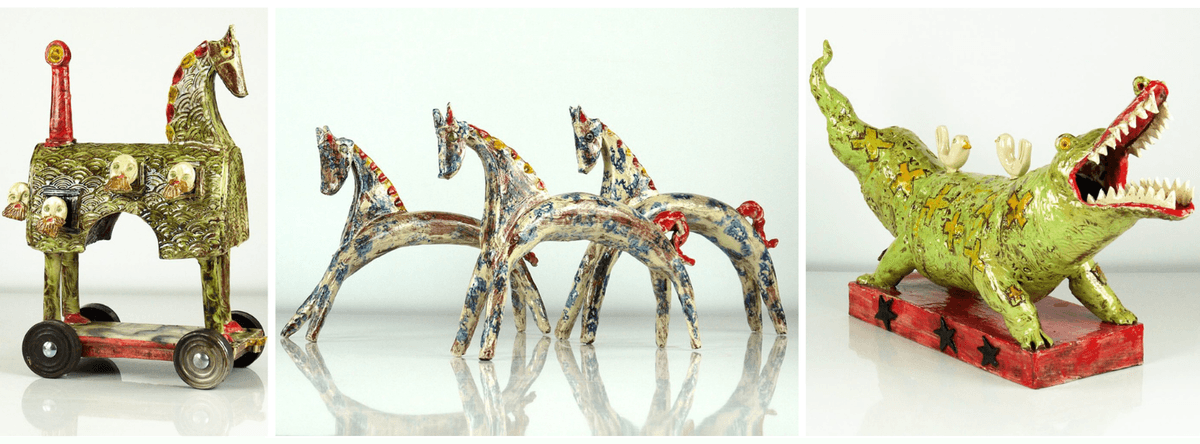
Artwork by Ben Fosker
Beyond the Exhibition Stand
Ceramic Art London also extends beyond buying and selling. The daily talks programme, included within admission, adds intellectual and educational depth to the fair. The 2026 programme included prominent creative voices such as Zandra Rhodes, Kate Malone, William Cobbing and Felicity Aylieff. Such programming is increasingly important within specialist fairs.
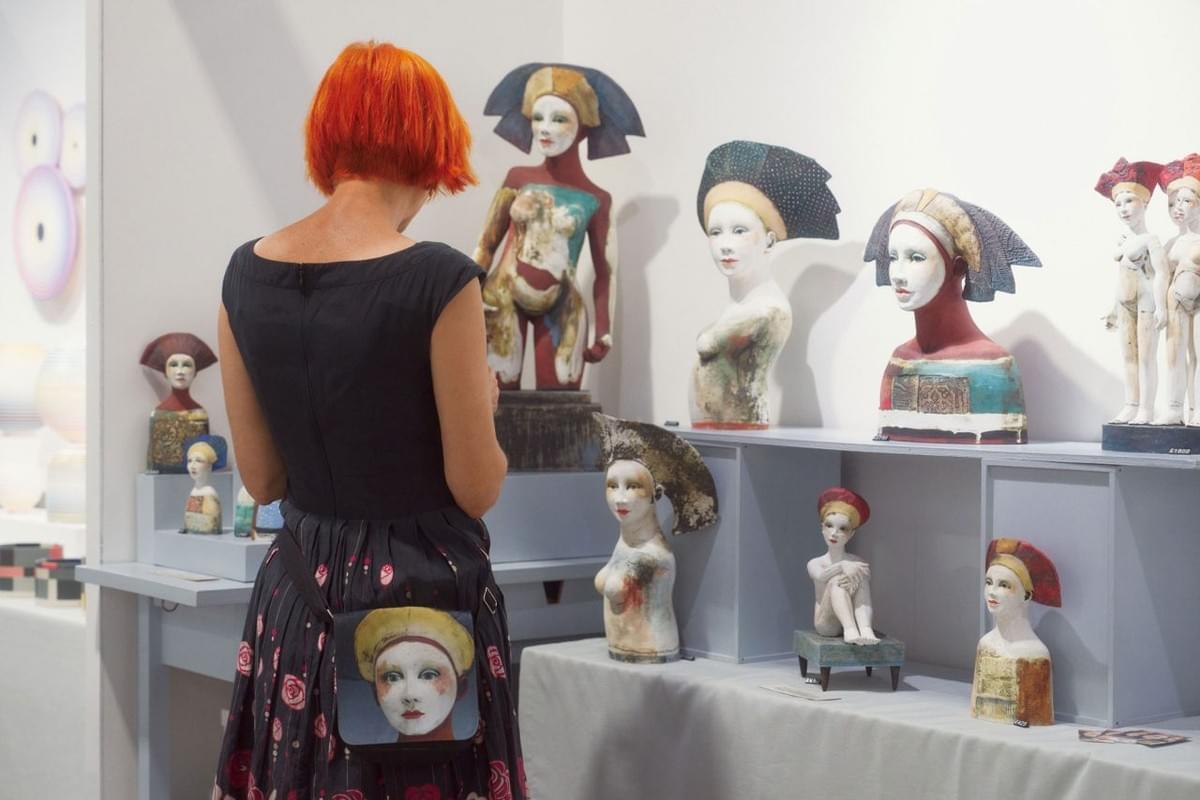
View from Ceramic Art London 2026 Fair
Collectors today often want more than ownership; they want context. Students want access to established practitioners. Artists want conversations about technique, sustainability, experimentation and professional practice. The talks create a space where the physical object can be connected to the ideas surrounding its creation. They also position Ceramic Art London not merely as a marketplace but as an active platform for ceramic culture.
Clay Without Borders
Perhaps the most significant impression left by the 2026 edition is the remarkable adaptability of clay itself. Every culture has some relationship with ceramics. Clay has carried food, water, ritual, architecture, decoration and memory across civilisations. Archaeologists reconstruct vanished societies through ceramic fragments because fired earth can survive long after many other materials disappear.
Yet contemporary artists continue to make this ancient medium feel new. That paradox gives ceramics extraordinary relevance today. A material drawn directly from the earth can communicate ideas about environmental fragility. A vessel can become a metaphor for the human body. Traditional decoration can be reinterpreted through questions of migration and cultural identity. Broken surfaces can suggest vulnerability, while monumental ceramic forms can challenge assumptions about the physical limits of the medium. At Ceramic Art London, these possibilities coexist. The fair becomes less about defining ceramics and more about expanding its vocabulary.
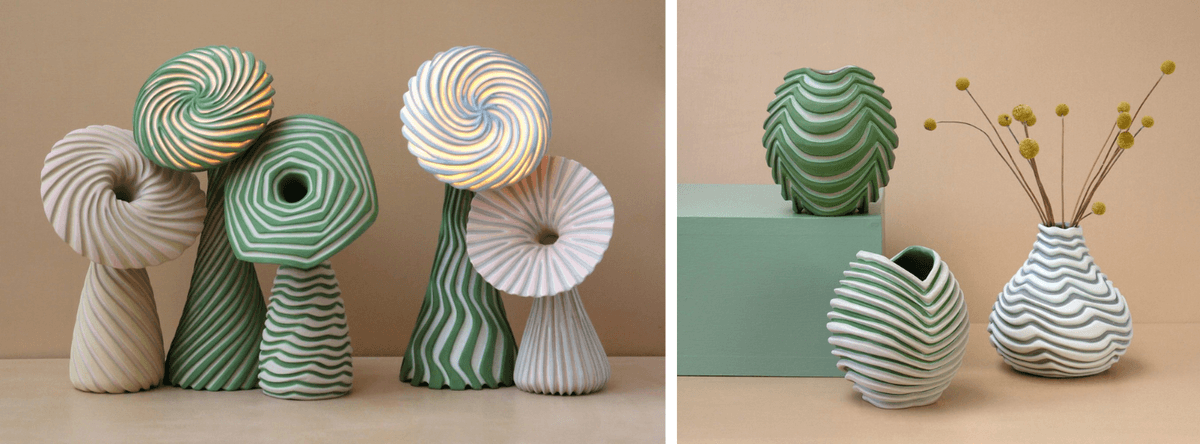
Artwork by Harriet Caslin
Olympia as a Meeting Ground
The setting at Olympia West also contributes to the identity of the event. London has long functioned as an international crossroads for art, design and collecting, and Ceramic Art London benefits from this cultural density. Its location enables a specialist medium to engage with an audience extending beyond the traditional ceramics community. Interior designers may approach a work through space and form. Fine-art collectors may encounter ceramic sculpture outside conventional craft contexts. Students may meet artists whose techniques they have previously known only through books or social media. These encounters matter because the future of ceramics depends not simply upon preserving techniques but upon creating audiences capable of appreciating why those techniques remain relevant.
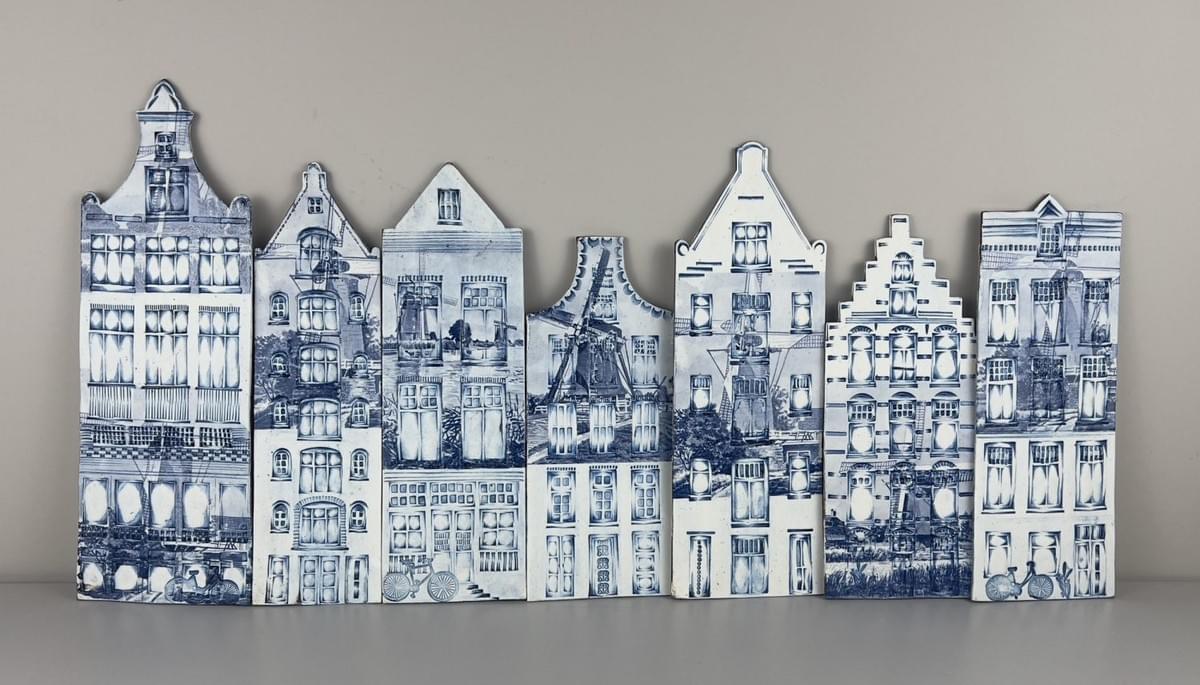
Artwork by Alexandra Breeze
A Quiet Counterpoint to the Digital Age
There is another reason the growing visibility of ceramics feels particularly timely. Contemporary culture is becoming increasingly immaterial. Images exist on screens. Communication happens through interfaces. Digital experiences can be generated, duplicated and distributed almost instantaneously.
Ceramic objects resist this condition. They have weight. They occupy physical space. They cannot be endlessly reproduced without becoming something different. Their surfaces respond to light and touch. Their imperfections reveal process. Even when two objects emerge from the same series, subtle variations in firing and making ensure individuality. This physical presence may partly explain why ceramics is experiencing renewed attention among artists, collectors and younger audiences. Clay offers something increasingly rare: evidence of time.
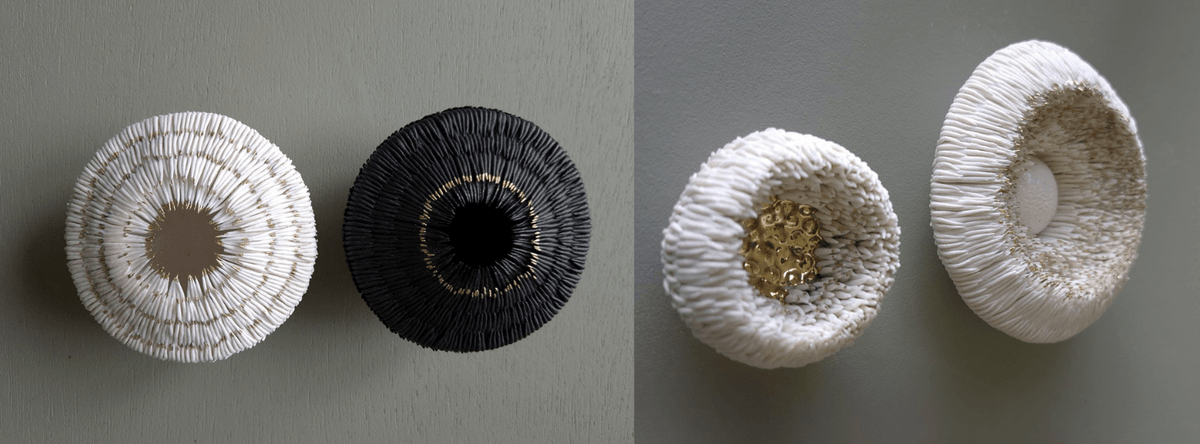
Artwork by Lisa Biris
A Fair That Protects Tradition by Allowing It to Change
Ceramic Art London succeeds because it does not treat ceramic heritage as something that must remain static. Instead, tradition becomes a living resource. Technical knowledge accumulated across generations remains fundamental, but artists are free to challenge scale, function, surface, firing, narrative and form.
This is how craft traditions survive, not by resisting change, but by allowing successive generations to reinterpret them. The Craft Potters Association of Great Britain has created a platform where this dialogue can take place publicly and internationally. Fair Director Simon Harrison has described Ceramic Art London as an event capable of serving everyone from enthusiasts to serious collectors and museum curators, emphasising both its international character and the extraordinary diversity of the work represented. The 2026 edition strongly reinforced that identity.
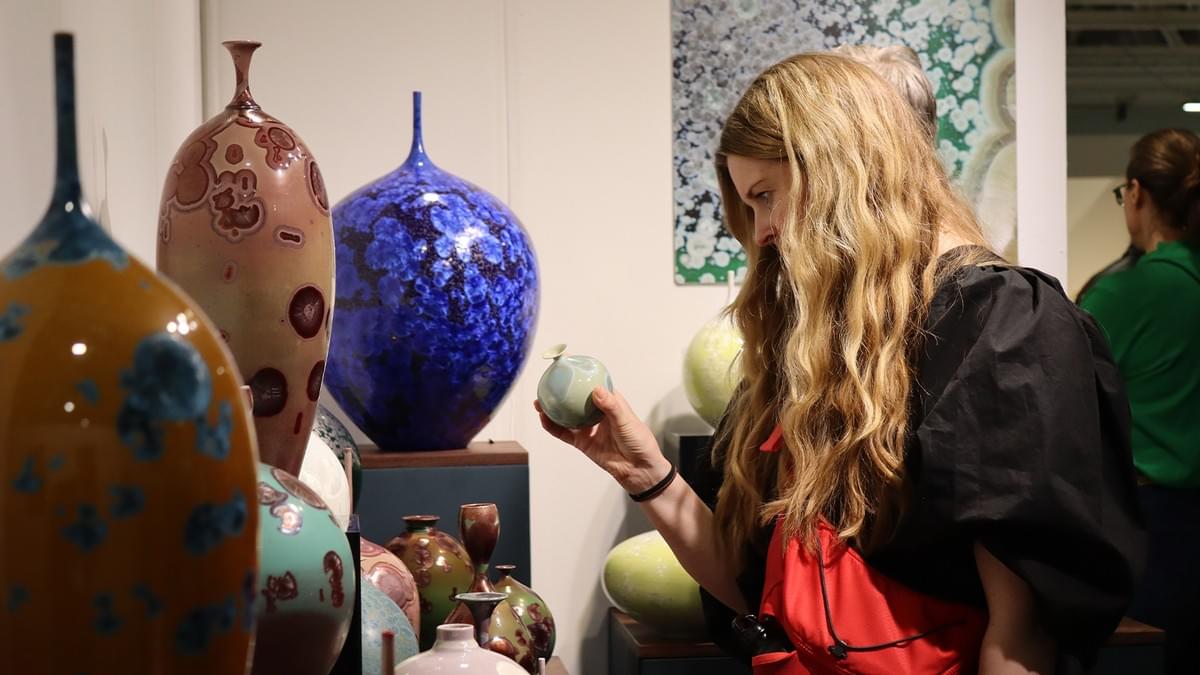
View from Ceramic Art London 2026
Art4you Review: The Future Is Still Being Made by Hand
What Ceramic Art London ultimately demonstrates is that contemporary ceramics is not experiencing a nostalgic return. It is moving forward. Artists are using one of civilisation’s oldest materials to address contemporary aesthetics, identities and ideas. Collectors are increasingly recognising ceramic works as important components of serious contemporary collections. Galleries and institutions are giving greater attention to material-led practices, while younger audiences are rediscovering the emotional value of handmade objects.
Ceramic Art London sits directly within this transformation. Its importance lies not simply in gathering accomplished ceramicists beneath one roof, but in providing a concentrated view of an artistic discipline confidently redefining its position within contemporary culture. Across the fair, clay appeared polished and raw, controlled and spontaneous, functional and entirely sculptural. There were objects rooted in centuries of ceramic knowledge and others determined to disrupt expectations.
Yet beneath this extraordinary diversity remained something elemental. Earth. Water. Fire. The hand. Four ancient components, and still enough to generate new artistic languages. Ceramic Art London 2026 reminds us that innovation does not always require a new material. Sometimes it requires looking again at the material humanity has held in its hands for thousands of years. And in London, across three days at Olympia, clay once again proved that its possibilities are nowhere near exhausted.
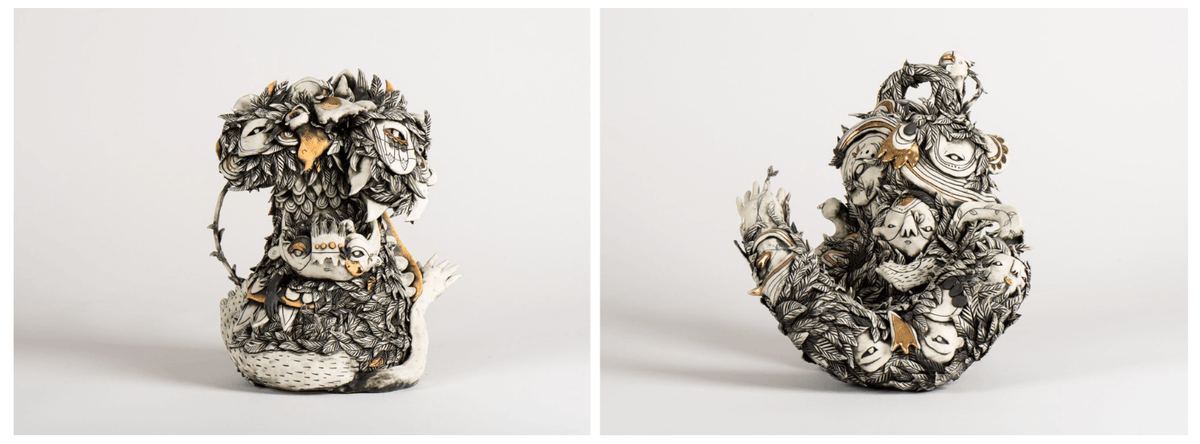
Artwork by Lucy Baxendale
CERAMIC ART LONDON 2026
Dates: 8–10 May 2026
Venue: Olympia West, London, W14 8UX
Curated by: Craft Potters Association of Great Britain
Edition: 22nd Year
Exhibitors: Approximately 125 selected makers
International Reach: Applications from 27 countries
Visitors: 5,000+ from more than 30 countries
*Ceramic Art London has announced its return to Olympia for 2027, with dates to be confirmed.
John Smith - Senior Art Critic | Art4you Magazine | Exhibition & International Art Fair Review | 2026