
Public art possesses a remarkable ability to transform everyday spaces into places of reflection, dialogue and cultural discovery. In Abu Dhabi, this transformation now unfolds through an extraordinary installation where monumental oyster sculptures emerge from the landscape, inviting visitors to reconnect with the Emirates' rich maritime heritage through contemporary artistic expression.
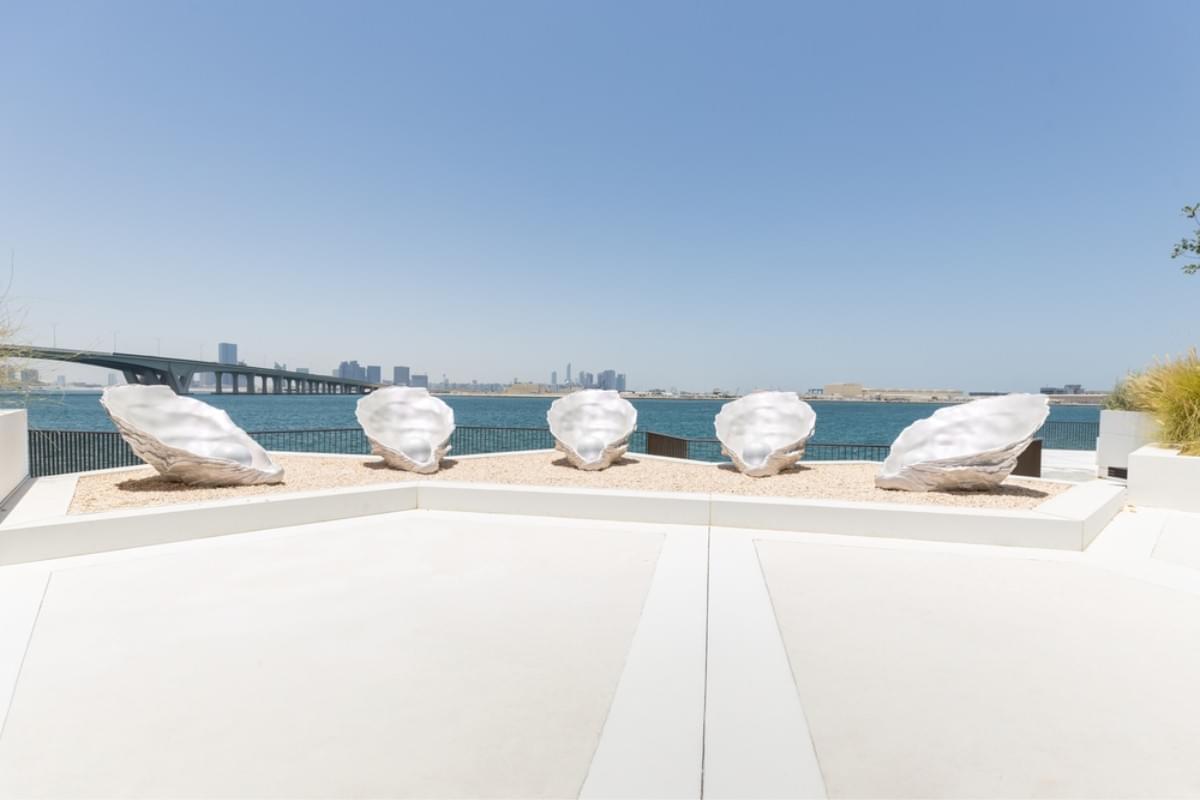
Standing gracefully outside the Natural History Museum Abu Dhabi, a site-specific installation by acclaimed Emirati artist Farah Al Qasimi, is among the most captivating public artworks presented as part of the inaugural Public Art Abu Dhabi Biennial. More than a visual spectacle, the installation offers an immersive sensory experience where sculpture, sound, light and memory converge to tell an enduring story of identity and belonging. The installation consists of five monumental oyster sculptures, shimmering beneath the Abu Dhabi sky. At first glance, they appear as elegant contemporary forms inspired by nature. As visitors move closer, however, the experience deepens. Hidden speakers within each sculpture gently release an evocative soundscape based on Tob, Tob Ya Bahar, the traditional chant once sung by the wives of pearl divers waiting anxiously for their loved ones to return from the sea.
This subtle yet emotionally powerful gesture shifts the narrative from the familiar history of pearl diving itself toward the often-overlooked voices of the women who remained on shore. Their songs carried hope, resilience and longing, becoming an invisible thread connecting families to the uncertain journeys across the Arabian Gulf. Through this reinterpretation, Al Qasimi expands the historical conversation by acknowledging the emotional landscape that existed alongside the economic significance of the pearl trade. The oysters themselves become powerful metaphors. Long celebrated as symbols of hidden beauty and transformation, they echo the process through which hardship, patience and time create something precious. Positioned outside the Natural History Museum Abu Dhabi, the sculptures establish a poetic dialogue between cultural heritage and the natural environment, reminding audiences that the Gulf's marine ecosystems shaped not only the region's biodiversity but also its social history, economy and collective identity.
Raised in Abu Dhabi and internationally recognised for her multidisciplinary practice, Farah Al Qasimi has consistently explored themes of identity, memory, everyday life and globalization through photography, video, installation and performance. Her works often blur the boundaries between documentary realism and surreal visual storytelling, inviting viewers to examine familiar environments through unexpected perspectives. The artist once again demonstrates her ability to weave deeply personal narratives into universal experiences. While rooted in the cultural history of the UAE, the installation resonates far beyond geographical boundaries. The emotions of separation, hope, remembrance and belonging are universally understood, allowing audiences from diverse backgrounds to connect with the work on both emotional and intellectual levels.
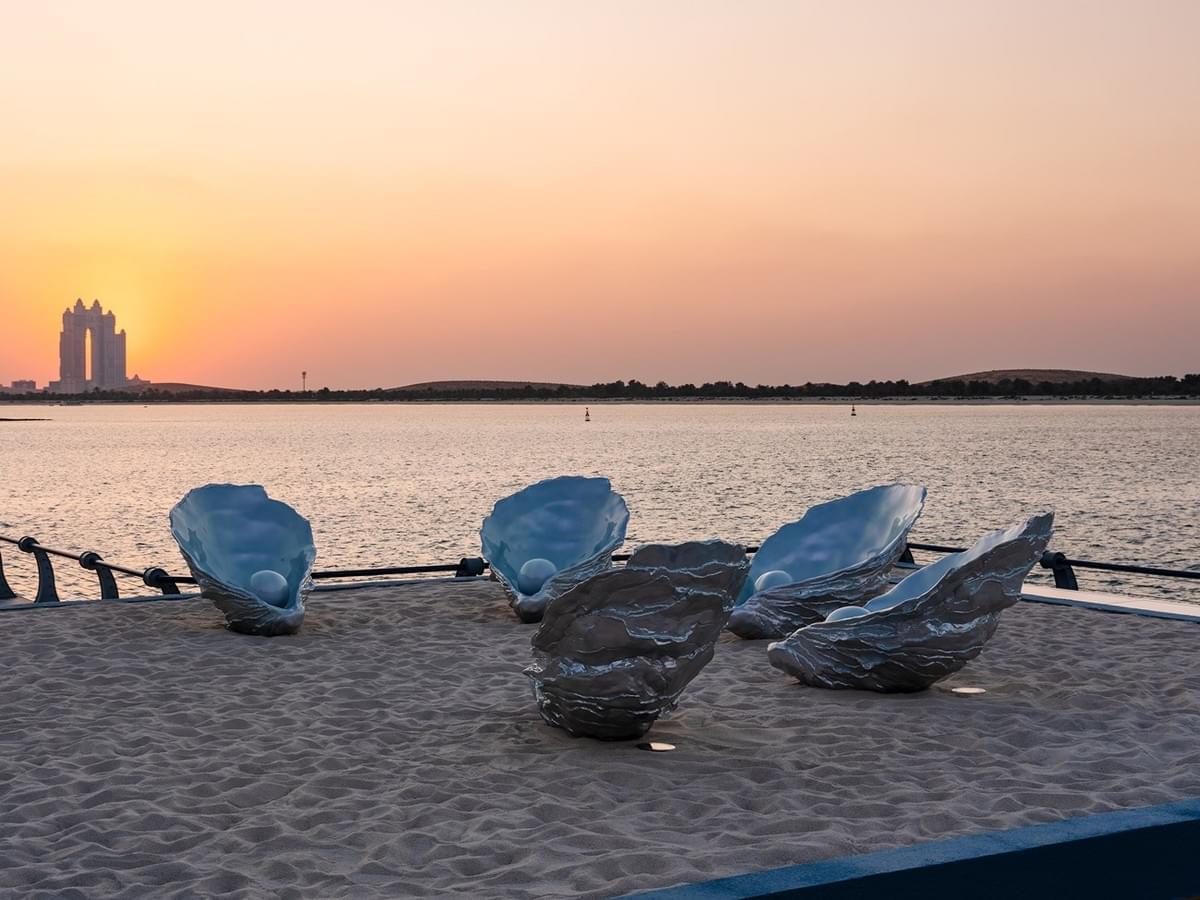
Technology subtly enriches the installation without overwhelming its cultural essence. Iridescent finishes capture changing daylight, while integrated LED lighting transforms the sculptures after sunset into luminous landmarks. The combination of contemporary materials with historical narratives reflects the evolving relationship between tradition and modernity, a dialogue increasingly relevant within today's rapidly globalizing societies. For Al Qasimi, context remains central to her artistic practice. Created specifically for Abu Dhabi, 'Homesickness' draws strength from its location. The waterfront setting recalls the city's maritime past, while the museum's focus on natural history reinforces the interconnected stories of landscape, ecology and human civilization. The installation becomes inseparable from its surroundings, encouraging visitors to experience both the artwork and the place with renewed awareness.
The work also contributes meaningfully to the broader vision of the Public Art Abu Dhabi Biennial, organised by the Department of Culture and Tourism – Abu Dhabi under the theme "Public Matter." Bringing together more than seventy UAE-based and international artists, the Biennial reimagines public space as an accessible platform for cultural exchange, artistic engagement and community participation. Through sculptures, performances and site-specific interventions across Abu Dhabi and Al Ain, the Biennial demonstrates how contemporary art can activate urban environments while fostering dialogue between history, architecture, nature and society.
Rather than existing solely within gallery walls, 'Homesickness' embraces the openness of public space. Families, tourists, art enthusiasts and casual passersby encounter the installation unexpectedly, allowing art to become part of everyday life. This accessibility reflects a growing global movement toward public art as an essential component of cultural infrastructure, one that encourages curiosity, inclusivity and shared experiences. The installation further reflects the evolving identity of the UAE's contemporary art scene, where artists confidently engage with local histories while participating in international conversations about memory, migration, identity and globalization. Al Qasimi's voice remains uniquely Emirati, yet her visual language transcends borders, inviting viewers to reflect on their own relationships with home, heritage and place.
'Homesickness' ultimately reminds us that history is not preserved only in museums or textbooks. It lives within songs, landscapes, traditions and collective memory. Through monumental oysters that seem to breathe with echoes of the past, Farah Al Qasimi offers audiences a profound meditation on remembrance, resilience and cultural continuity. As Abu Dhabi continues to establish itself as a global cultural destination, installations such as 'Homesickness' demonstrate the transformative power of public art, not merely to beautify spaces, but to preserve stories, spark conversations and deepen our understanding of who we are and where we come from. It is a work that quietly resonates long after the visitor has walked away, leaving behind not only admiration for its beauty but also a renewed appreciation for the enduring legacy of the sea and the people whose lives were shaped by it.