
From ancient spice routes to maritime discoveries, a new exhibition explores how the ocean connected cultures, people and civilizations for centuries.
14 October 2026 – 14 February 2027 | Louvre Abu Dhabi, UAE
Abu Dhabi: The Indian Ocean has always been more than a vast stretch of water. For thousands of years, it served as a meeting place for travellers, merchants, sailors and cultures. Across its waters, ships carried spices, precious stones, textiles and works of art, along with new ideas, beliefs and traditions. These journeys helped shape the world we know today.
Bringing this fascinating history to life, Louvre Abu Dhabi presents “Spices and Wonders: Sailing the Indian Ocean,” a major international exhibition running from 14 October 2026 to 14 February 2027. Organised in partnership with the Musée National des Arts Asiatiques – Guimet in Paris, the exhibition explores nearly 1,000 years of maritime history and cultural exchange, revealing how the Indian Ocean connected Africa, the Arabian Peninsula, India, Southeast Asia and Europe. Through historical objects, rare maps, artworks, ship models and immersive experiences, the exhibition invites visitors to discover a world where the sea was not a barrier but a bridge between civilizations.
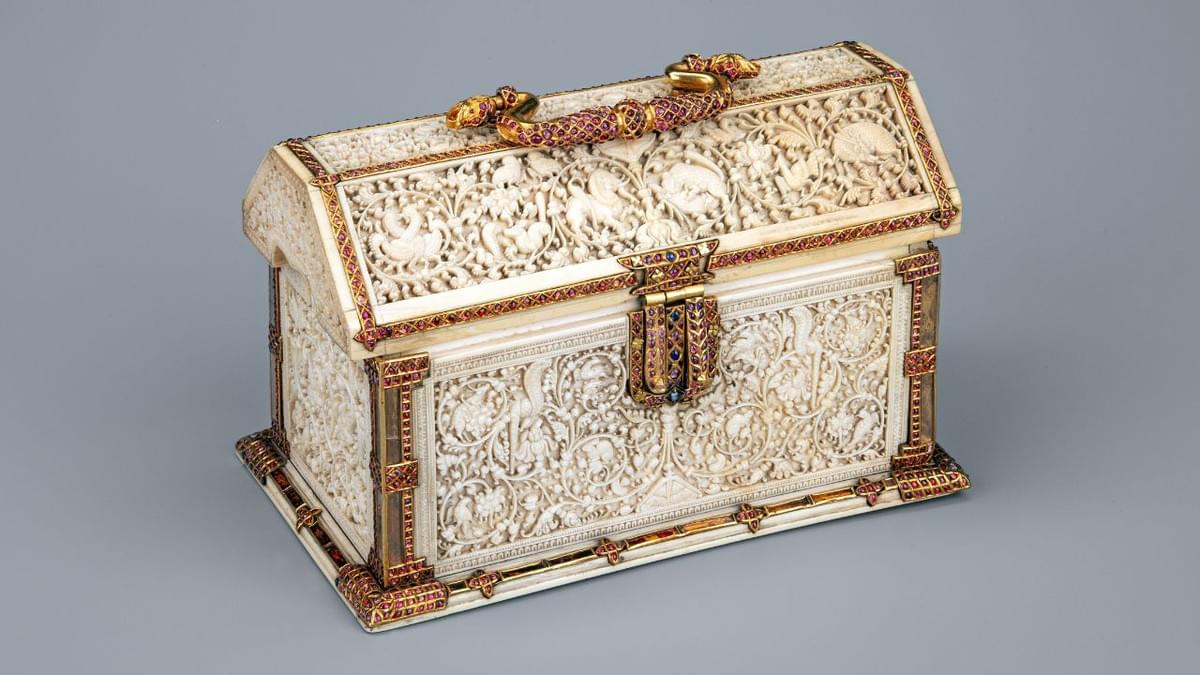
A Journey Through the Ancient Maritime World
The exhibition is presented across six thematic sections, each revealing a different chapter of Indian Ocean history. Together, they tell the story of how early trade routes developed, how sailors crossed unfamiliar waters and how the movement of goods and people influenced societies across continents. The journey begins with the origins of maritime trade, when merchants exchanged pearls, precious stones, plants and other valuable materials between the Mediterranean, Arabian Gulf and India. Over time, these trading routes expanded, connecting distant communities and creating opportunities for cultural interaction.
One of the exhibition's most interesting highlights is a historic manuscript by Ibn Majid, the renowned 15th-century Arab navigator. On loan from the National Library of France, the manuscript reflects the remarkable knowledge of sailors who used the stars, seasonal winds and their understanding of the ocean to guide their voyages. Long before modern navigation systems, Arab seafarers understood the movement of monsoon winds and developed skills that made long-distance journeys possible. Their knowledge played an important role in connecting the Arabian Peninsula with India and other regions across the Indian Ocean.
Ships, Treasures and Stories of Exploration
The exhibition also explores the ships that made these journeys possible. Six large-scale ship models, inspired by historical vessels and shipwrecks, help visitors understand how people travelled and transported valuable cargo across the ocean. These ships carried much more than commercial goods. They transported artistic traditions, cultural influences and new ways of thinking. Some voyages brought wealth and discovery, while others ended in shipwrecks, leaving behind objects that continue to reveal stories about the past.
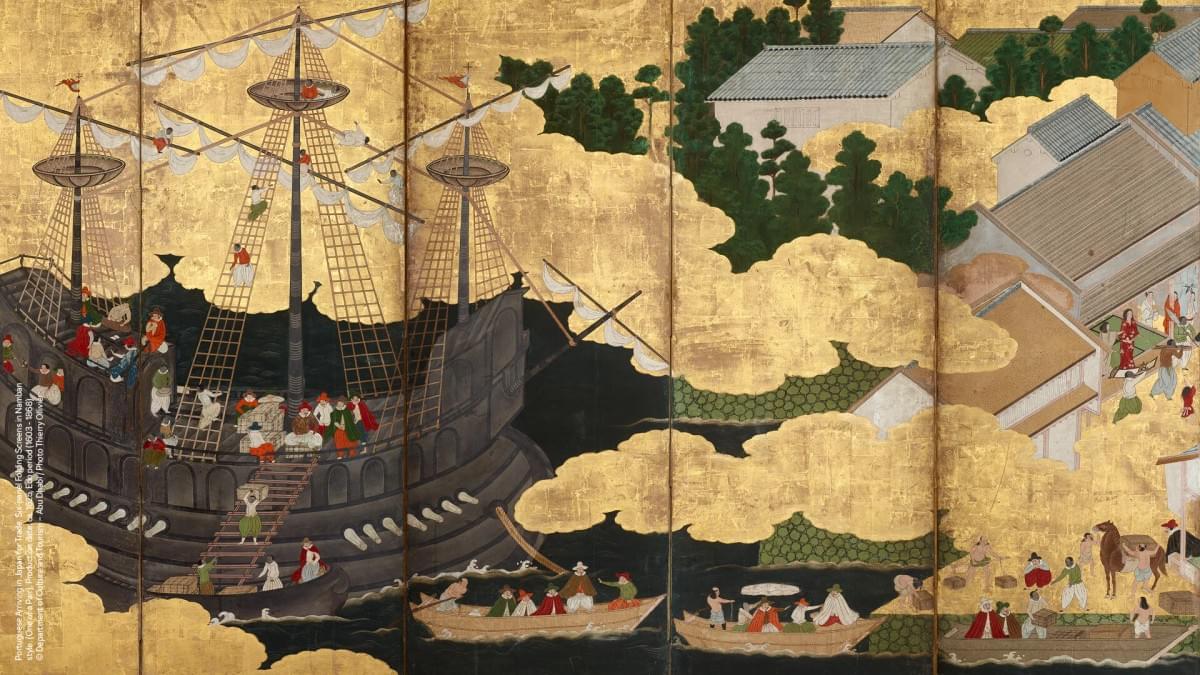
Among the remarkable objects on display are an Indian dagger and scabbard from the early 17th century, a Mamluk incense burner from Egypt, historic textiles, jewellery and decorative artworks. Each object represents a connection between distant places and the people who travelled between them. A rare Indian printed cotton textile known as a Palampore, dating from around 1700–1725, highlights the beauty and craftsmanship of historic textile production. Other objects, including sculptures, maps and carved works, show how artistic styles travelled and developed through cultural encounters.
The Fragrance of History: Spices and Precious Goods
One of the most engaging sections of the exhibition focuses on the spices, perfumes and luxury goods that once travelled along Indian Ocean trade routes. Spices were among the most valuable commodities of the ancient maritime world. Along with gold, jewellery, textiles and precious materials, they encouraged merchants to travel across great distances and helped create strong commercial relationships between different regions.
To bring this history closer to visitors, the exhibition includes a special sensory experience developed with fragrance company Givaudan. Featuring six raw fragrance materials and three perfume compositions inspired by historical traditions from the Arab world, China and India, the installation allows visitors to experience the scents associated with centuries of trade. Frankincense, closely connected with the history and culture of the Arabian Peninsula, is among the featured materials. Through fragrance, the exhibition offers a different way of understanding history, allowing visitors to imagine the atmosphere of ancient markets, trading ports and maritime journeys.
The UAE's Place in the Story of the Indian Ocean
An important part of Spices and Wonders is its focus on the historical relationship between the UAE, the Arabian Gulf and the wider Indian Ocean. For centuries, coastal communities in the region were connected to international trade through fishing, pearl diving, sailing and commerce. These activities helped build relationships with merchants and travellers from India, East Africa and other parts of Asia.
The exhibition opens with a film by acclaimed Emirati poet, visual artist and filmmaker Nujoom Al Ghanem, exploring the UAE's maritime heritage and its connection to the sea. Through images and storytelling, the film reflects on pearl diving, traditional livelihoods and the cultural importance of the ocean. A jewellery set inspired by Al Murtasha, a traditional adornment associated with the UAE's pearl-diving heritage, is also presented by Al Fardan Fine Jewellery. This display highlights the relationship between local craftsmanship, personal adornment and the region's maritime history. By including these elements, the exhibition connects international history with the UAE's own cultural identity, reminding visitors that the country has long been part of a much larger network of exchange and exploration.
When Art, Religion and Culture Crossed the Seas
Beyond trade and exploration, Spices and Wonders examines how the movement of people influenced art, religion, music and everyday life. As merchants and travellers moved between ports, they carried languages, beliefs, customs and creative traditions. Over time, these encounters shaped the cultural identities of communities across the Indian Ocean.
The exhibition presents religious sculptures, decorative objects and artworks that reveal these connections. Among them is a statue of Bodhisattva Avalokiteshvara from southern Vietnam, dating to the late seventh or early eighth century, reflecting the movement of religious and artistic ideas across Asia. Historic maps also offer a fascinating view of how people understood the world. Works such as Flat Map of the World by Vesconte Maggiolo, created around 1531, and a Japanese world map in the Namban screen style from around 1690 demonstrate how geographical knowledge developed through exploration and cultural contact. The exhibition concludes with an immersive sound-and-video installation by musician and composer Sam Nester, offering a contemporary artistic interpretation of the ocean as a connected and living environment.
A Global Collection Brought Together in Abu Dhabi
Spices and Wonders brings together objects from 24 lending institutions across seven countries, alongside important works from Louvre Abu Dhabi's own collection. The museum is presenting its largest contribution of collection works to a single exhibition since opening, reflecting the importance of this international collaboration.
Curated by specialists from Louvre Abu Dhabi and the Musée Guimet, the exhibition combines historical research with creative storytelling, making complex maritime history accessible to visitors of different ages and backgrounds. Alongside the exhibition, the museum offers educational programmes, family activities, guided tours, drawing sessions, film screenings and cultural performances. A performance by the UAE National Orchestra is also included in the accompanying programme, connecting the exhibition's historical themes with contemporary musical expression.
An Ocean That Continues to Connect the World
At its heart, Spices and Wonders: Sailing the Indian Ocean is a story about human curiosity, courage and connection. It reminds us that globalization did not begin in the modern age. Long before airplanes and digital communication, people were already travelling across oceans, exchanging knowledge, discovering new cultures and building relationships that influenced generations. The exhibition also offers a meaningful reflection on the role of art and heritage in preserving these stories. Every object, from a delicate piece of jewellery to a centuries-old map, carries evidence of human movement and cultural exchange.
For audiences in the UAE, the exhibition provides a special opportunity to understand the country's place within this shared maritime history while discovering the artistic traditions of distant civilizations. Through its rich collection of objects, immersive installations and cultural narratives, Spices and Wonders transforms the history of the Indian Ocean into a powerful celebration of discovery, creativity and the connections that unite humanity. Following its presentation in Abu Dhabi, the exhibition will travel to the Musée Guimet in Paris, where it is scheduled to run from 12 May to 6 September 2027.
Exhibition Information
Exhibition: Spices and Wonders: Sailing the Indian Ocean
Venue: Louvre Abu Dhabi, Saadiyat Island, Abu Dhabi, UAE Dates: 14 October 2026 – 14 February 2027
Organised by: Louvre Abu Dhabi in partnership with Musée National des Arts Asiatiques – Guimet, France
Admission: AED 70 Website: www.louvreabudhabi.ae
Art News | Art4you Magazine
Art, Culture & Heritage | Museum Exhibitions | UAE 2026–2027