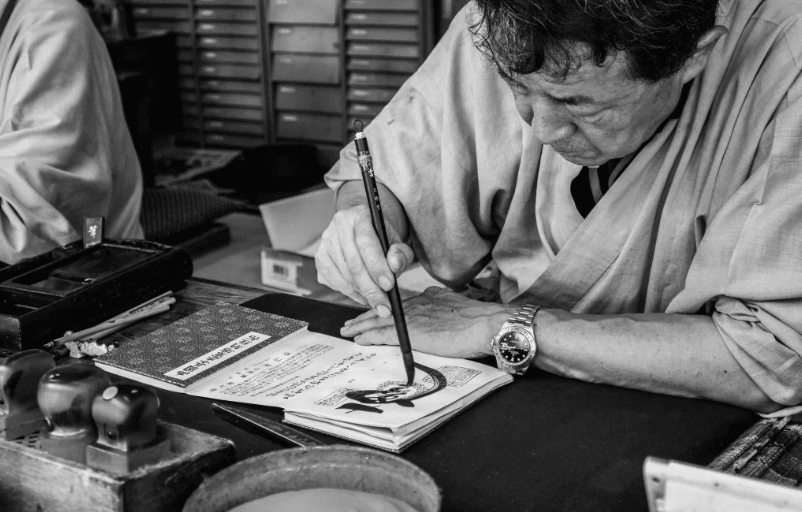
Japanese calligraphy, known as "Shodō (書道)", literally translated as "the Way of Writing", is far more than a method of beautiful handwriting. It is a profound artistic discipline that unites language, philosophy, mindfulness, and aesthetic expression into a single brushstroke. Every line carries intention, every curve reflects emotion, and every completed character becomes a visual record of the artist's inner state at a particular moment in time.
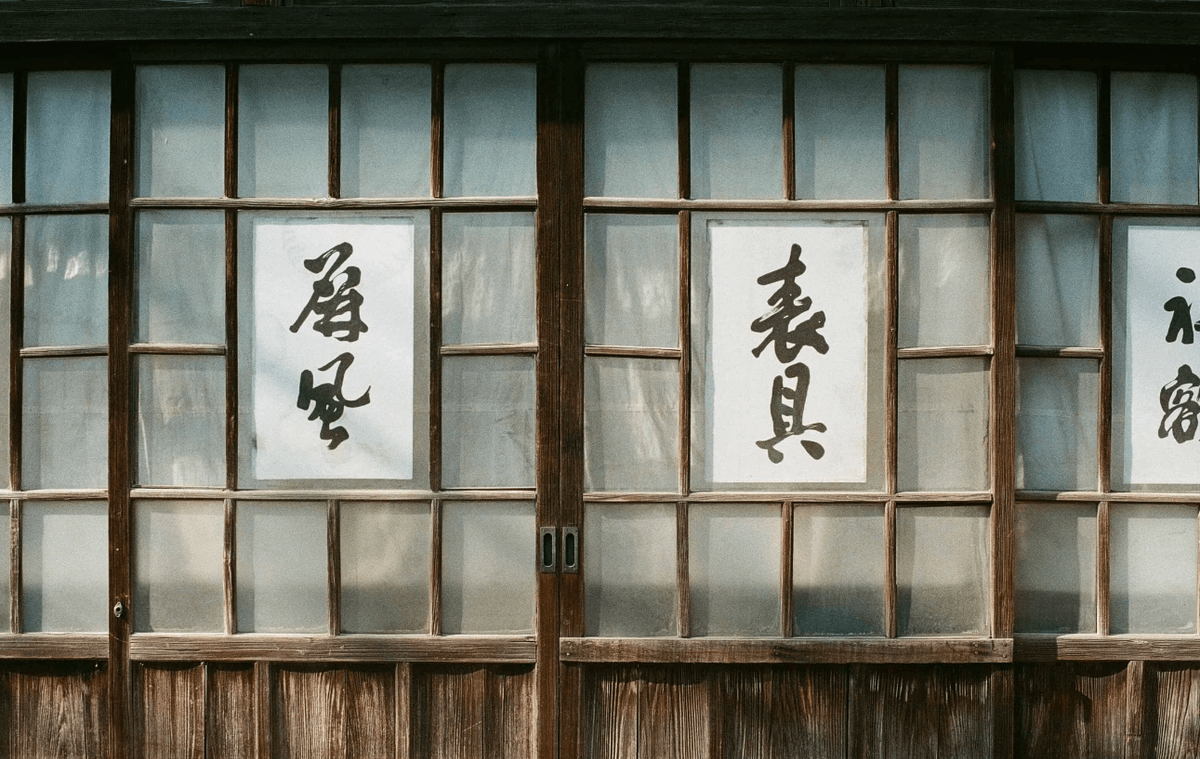
For centuries, Shodō has occupied a respected place within Japanese culture, standing alongside traditional arts such as tea ceremony, flower arrangement (Ikebana), and Zen gardening. While many view calligraphy simply as writing, practitioners understand that Shodō is an intimate dialogue between the mind, body, and spirit. Each movement of the brush demands concentration, patience, balance, and discipline, qualities that transform ordinary writing into extraordinary artistic expression.
Today, Japanese calligraphy continues to inspire artists, designers, educators, collectors, and cultural enthusiasts around the world. Its timeless elegance demonstrates that even in our increasingly digital age, the expressive power of handcrafted marks remains deeply meaningful.
The Historical Origins of Japanese Calligraphy
The roots of Japanese calligraphy can be traced back to Chinese calligraphy, one of the world's oldest and most respected artistic traditions. Around the 6th century AD, Buddhist monks introduced Chinese writing, literature, and religious texts to Japan. At that time, Japan possessed a sophisticated spoken language but lacked an established writing system. Initially, Japanese scholars adopted Chinese characters directly for official documents, religious manuscripts, and government records. Over time, however, the Japanese language evolved its own identity, requiring a writing system better suited to its unique grammar and pronunciation. This gradual transformation led to the development of Japan's distinctive written language while maintaining strong artistic influences from Chinese calligraphy.
Rather than abandoning Chinese traditions, Japanese masters refined and adapted them. They simplified certain character forms, introduced greater flexibility in brushwork, and developed writing styles that reflected Japanese aesthetics, emphasizing harmony, simplicity, elegance, and emotional subtlety. Even today, many professional calligraphers continue to study both Chinese and Japanese traditions to deepen their understanding of East Asian calligraphic heritage.
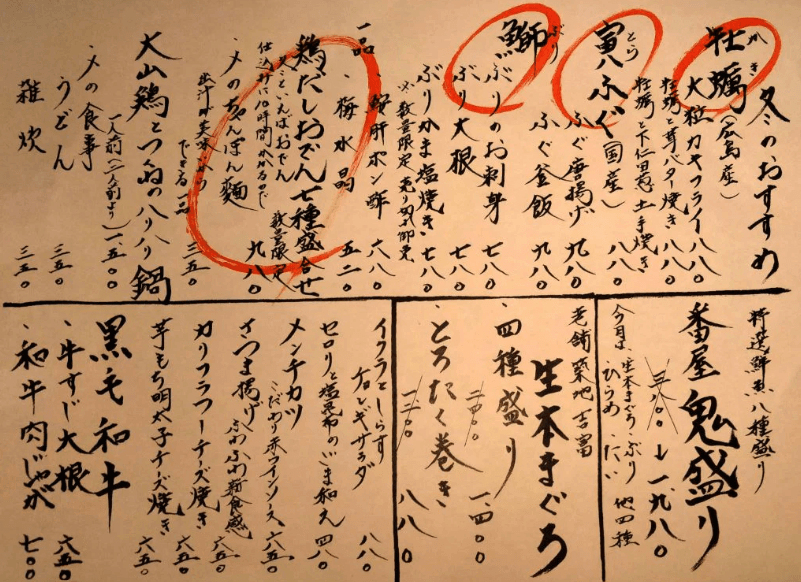
Shodō: More Than Beautiful Writing
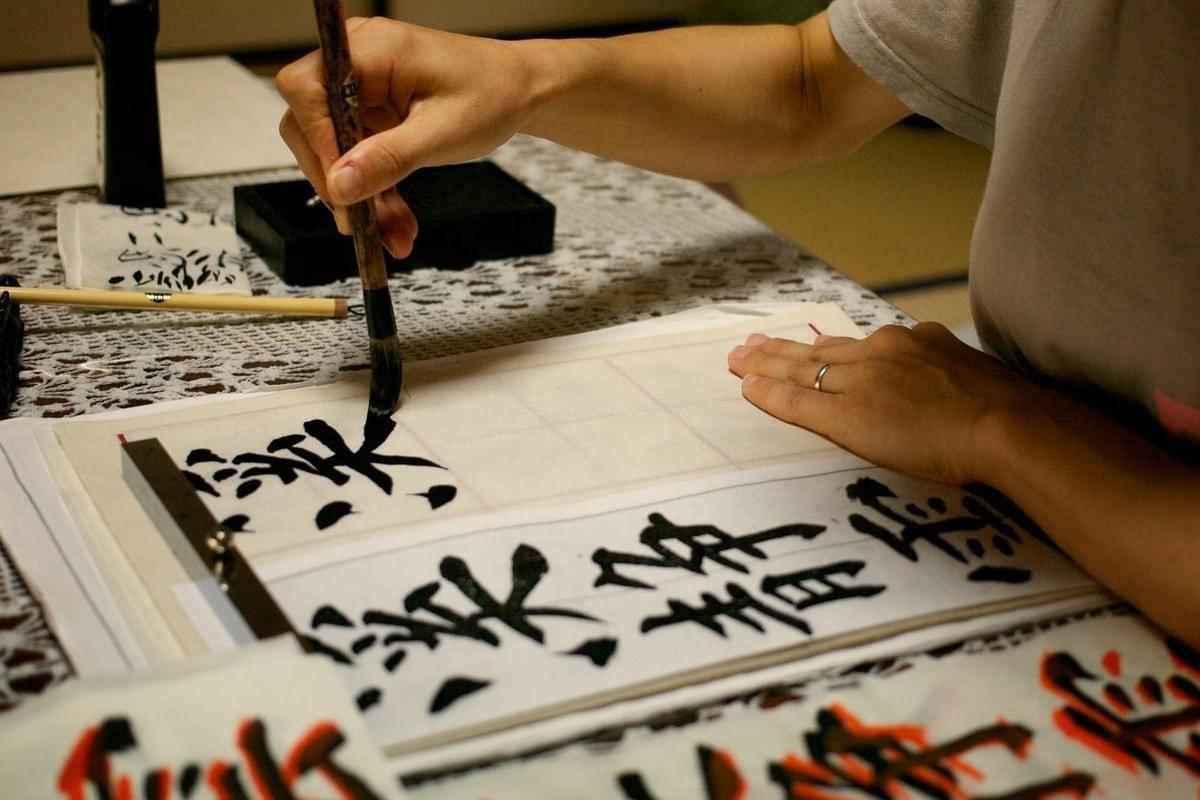
Unlike Western calligraphy, which often focuses on decorative lettering, Japanese calligraphy places equal importance on the mental and spiritual condition of the artist. Before the brush touches paper, practitioners cultivate calmness and concentration. Every stroke is executed with complete awareness, allowing the brush to move naturally without hesitation. Because each movement records the exact pressure, speed, rhythm, and breathing of the artist, no two works can ever be truly identical.
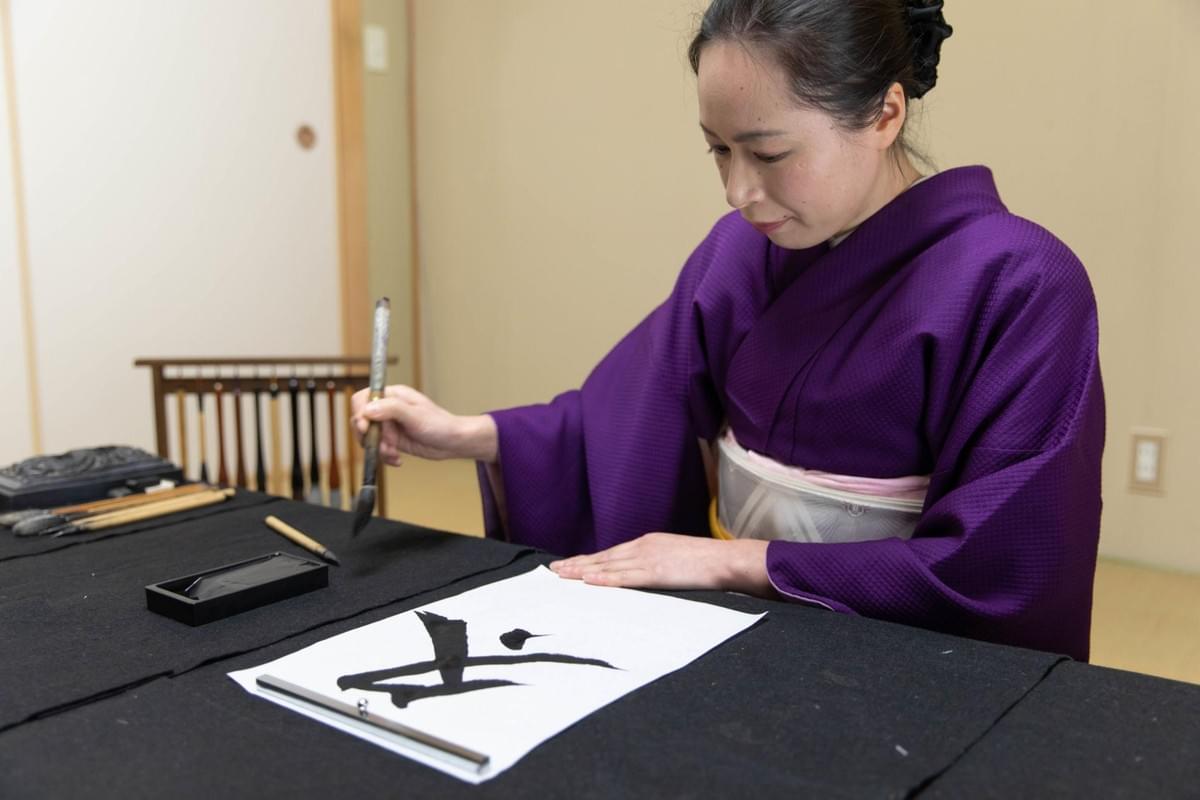
This philosophy makes every calligraphy piece a unique visual expression of a single moment in time. In traditional Japanese culture, students learn that the goal is not perfection but authenticity. A technically flawless character created without emotion is considered less valuable than an expressive work that genuinely reflects the artist's inner state.
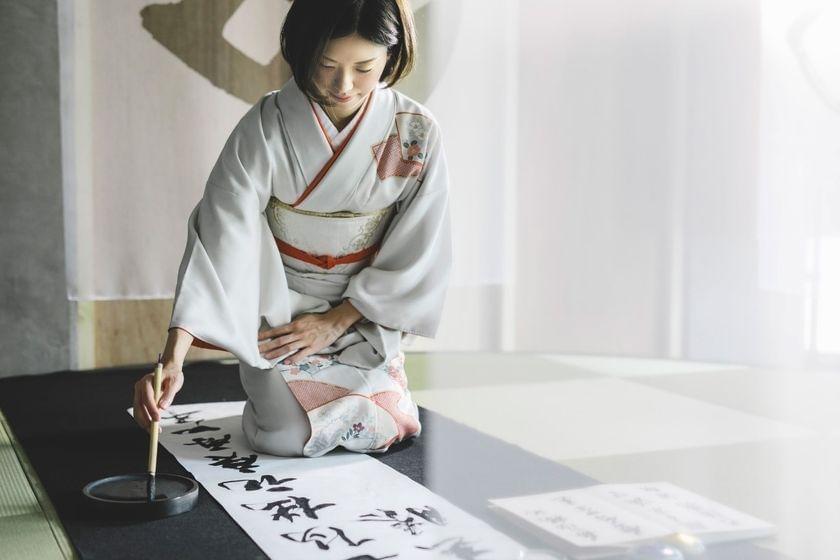
[The Essence of Shodō – The Japanese calligraphers demonstrates the meditative practice of Shodō, where every brushstroke reflects concentration, discipline, and artistic expression.]
The Japanese Writing System
Japanese calligraphy is built upon a fascinating writing system that combines Kanji and Kana, allowing artists to create compositions that balance complexity with elegance.
Kanji: The Language of Meaning
Kanji are Chinese-derived characters that each possess individual meanings. A single character may represent concepts such as:
* Mountain
* Water
* Sun
* Moon
* Tree
* Harmony
* Life
* Love
* Spirit
There are thousands of Kanji characters, with many having multiple pronunciations depending on their context. Because of their intricate structures and symbolic meanings, Kanji offer immense artistic possibilities. Mastering Kanji requires years of study, not only to memorize their forms but also to understand their historical evolution, composition, and expressive potential. Many contemporary Japanese calligraphers create large-scale artworks featuring a single powerful Kanji that communicates an entire philosophy or emotion.
Kana: The Poetry of Sound
While Kanji convey meaning, Kana represents sound. Kana consists of two syllabaries:
Hiragana - Hiragana contains 6 basic characters, each representing a syllable rather than a concept. It is primarily used for:
* Grammar
* Native Japanese words
* Verb endings
* Adjectives
* Children's literature
* Personal letters
Because Hiragana features soft, flowing curves, it is often regarded as the most graceful and elegant script in Japanese calligraphy.
Katakana - Katakana also contains 46 syllabic characters, but serves different purposes. It is mainly used for:
* Foreign words
* Scientific terminology
* Brand names
* Personal names
* Geographical locations
* Onomatopoeia
Its sharp, angular appearance creates a modern visual rhythm that contrasts beautifully with the softer forms of Hiragana. Together, Kanji and Kana create a remarkably versatile writing system capable of expressing both visual complexity and poetic simplicity.
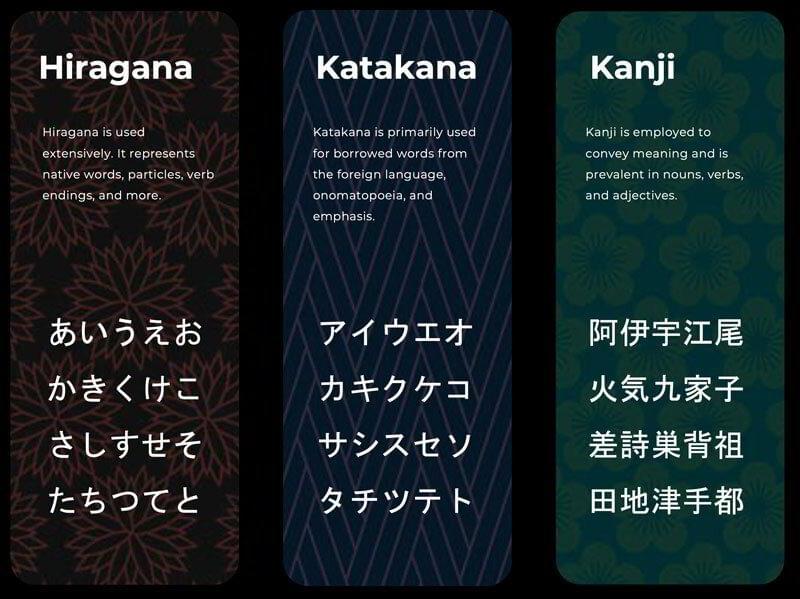
[The Japanese writing system consists of three interconnected scripts: Kanji, Hiragana, and Katakana.]
The Influence of Zen Buddhism
One of the defining characteristics of Japanese calligraphy is its deep relationship with Zen Buddhism. Zen teaches practitioners to become fully present in the current moment. This philosophy naturally extends into Shodō, where every brushstroke must be executed with complete awareness.
A distracted mind creates uncertain strokes. A peaceful mind produces confident, balanced characters. For this reason, many traditional calligraphy sessions begin with several moments of quiet meditation before the brush is lifted.
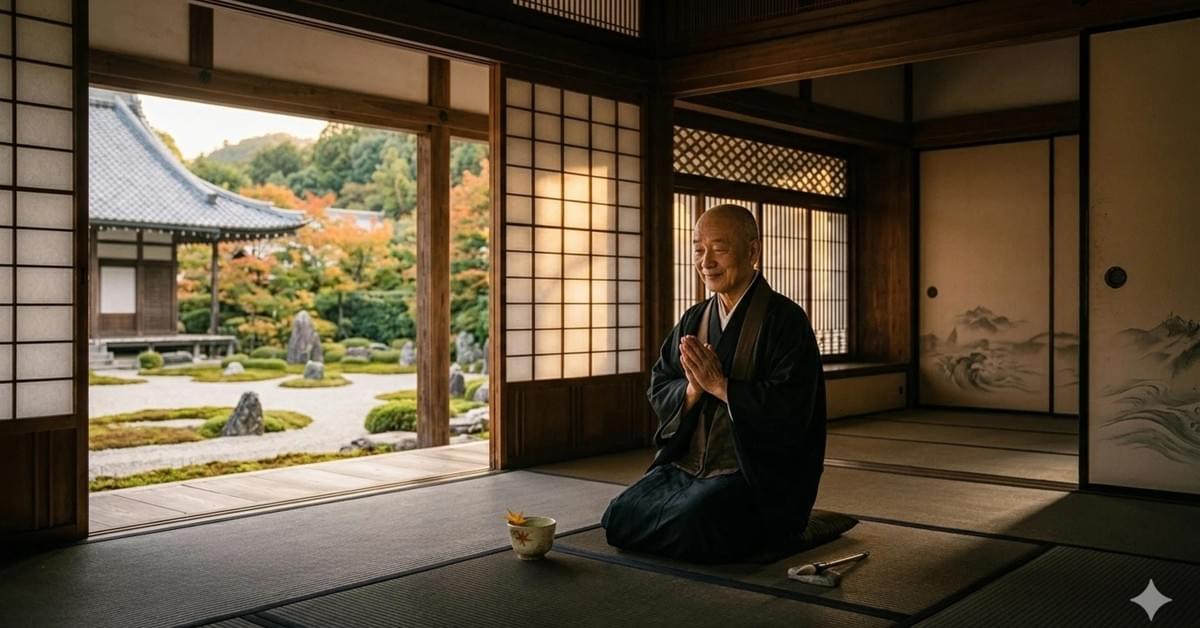
Zen calligraphy often features single characters such as:
* Mu (Nothingness)
* Wa (Harmony)
* Shin (Truth)
* Ai (Love)
* Kokoro (Heart)
These works are appreciated not only for their visual beauty but also for the spiritual ideas they represent. In Zen philosophy, once the brush touches paper there can be no corrections. Every stroke must be accepted exactly as it appears, a powerful reminder of embracing imperfection and living fully in the present.
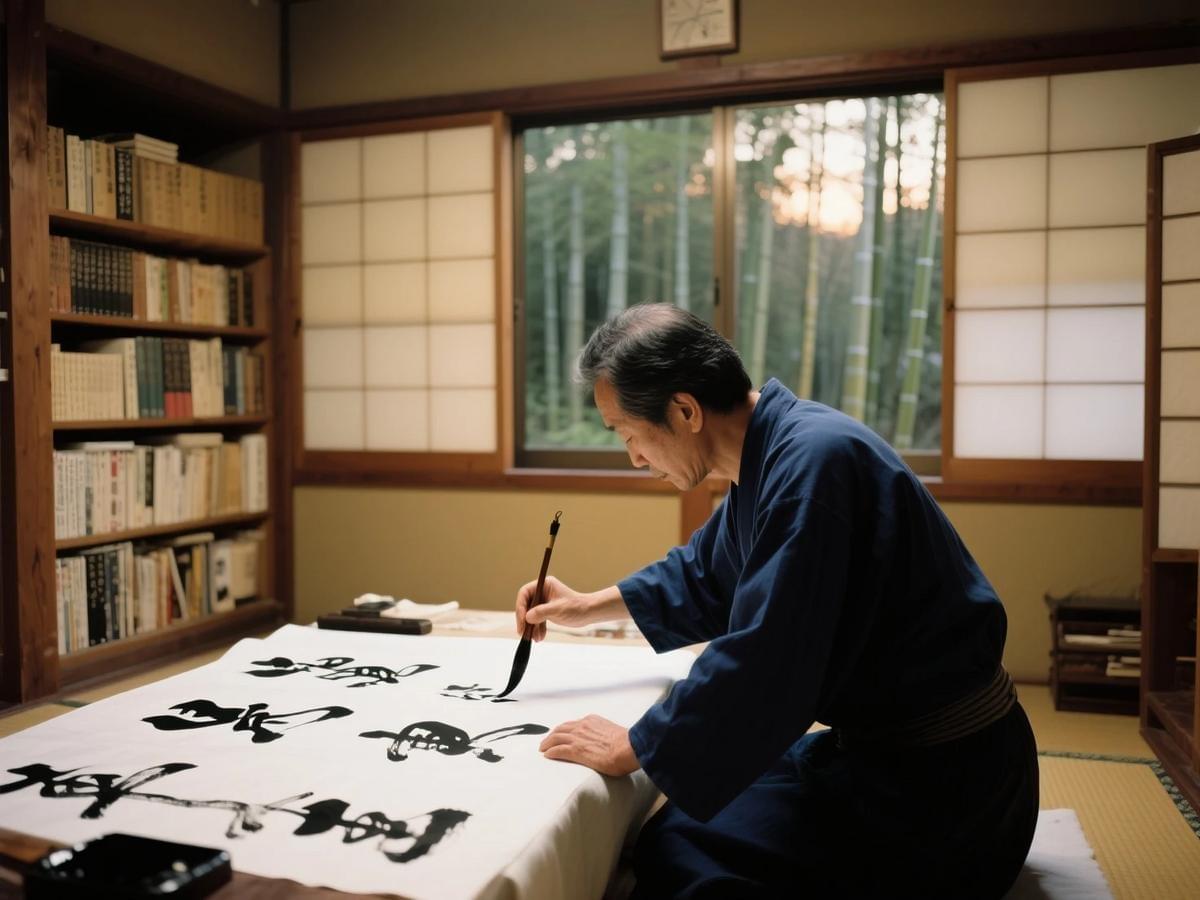
The Three Classical Styles of Japanese Calligraphy
Although countless personal variations exist, Japanese calligraphy traditionally follows three major writing styles.
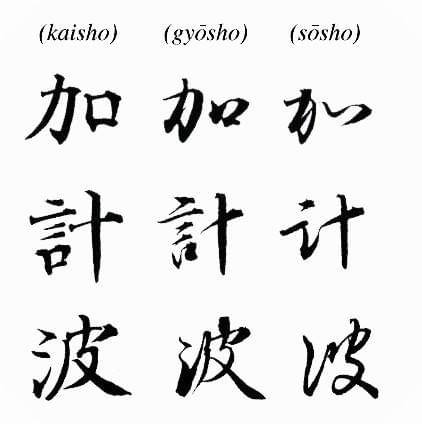
1. Kaisho (Block or Square Style)
Kaisho is the most structured and disciplined form of Japanese calligraphy. Every brushstroke is carefully separated and clearly defined.
Characteristics include:
* Straight, balanced lines
* Precise proportions
* Strong character structure
* Clear readability
* Consistent spacing
Kaisho serves as the foundation for all other calligraphic styles and is therefore the first approach taught to beginners. Because of its clarity, Kaisho is commonly used in educational materials, official documents, and inscriptions.
2. Gyōsho (Semi-Cursive or Running Style)
Gyōsho introduces movement into writing while maintaining readability. Instead of lifting the brush after every stroke, artists connect many lines together, creating a graceful sense of rhythm.
Characteristics include:
* Flowing movement
* Natural brush transitions
* Greater artistic freedom
* Dynamic composition
* Personal expression
Gyōsho represents the perfect balance between structure and spontaneity, making it the most widely practiced style among professional calligraphers.
3. Sōsho (Grass Style)
Sōsho is the most expressive and abstract style of Japanese calligraphy. Characters become dramatically simplified and interconnected, sometimes appearing almost like flowing ribbons across the paper. Inspired by grass bending in the wind, Sōsho values speed, emotion, and instinct over literal readability.
Characteristics include:
* Highly fluid brushwork
* Continuous movement
* Abstract forms
* Strong emotional expression
* Advanced artistic interpretation
Because many strokes merge together, Sōsho can be difficult even for native Japanese readers to interpret. Mastery of Kaisho and Gyōsho is generally considered essential before attempting this advanced style.
Essential Tools of the Calligrapher
Traditional Japanese calligraphy relies upon four classical tools, collectively known as the Four Treasures of Shodō.
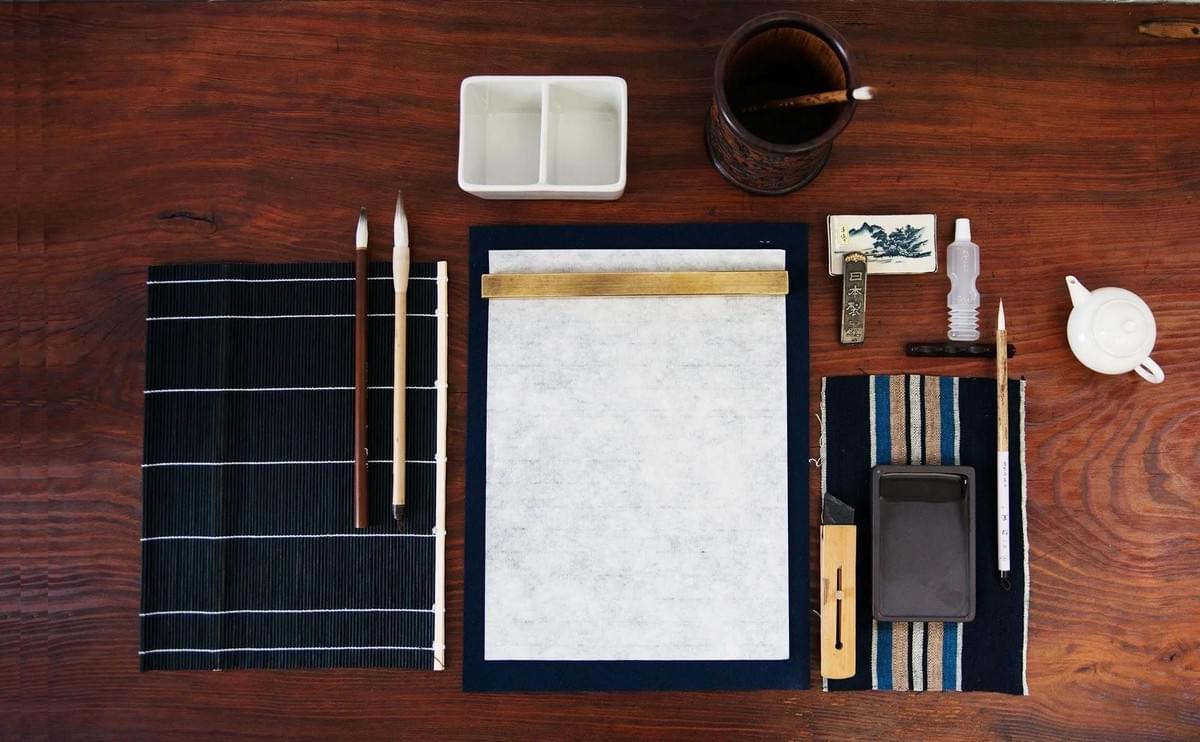
Fude (Brush) - The calligraphy brush is crafted from animal hair, including goat, horse, deer, or weasel. Different brushes create varying textures, line thicknesses, and expressive qualities.
Sumi (Ink) - Traditional Sumi ink is produced by mixing soot from pine wood or vegetable oils with natural glue. Artists grind solid ink sticks on an inkstone with water to create fresh ink before each session, a ritual that itself encourages patience and mindfulness.
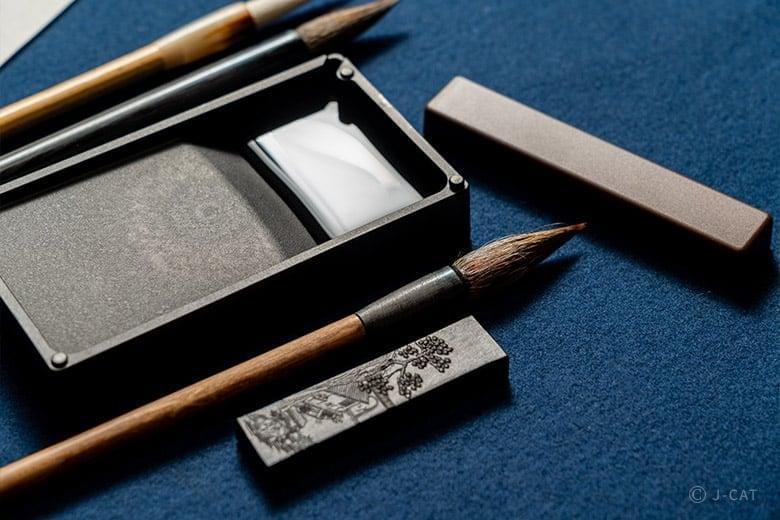
Suzuri (Inkstone) - The inkstone is used to grind the ink stick into liquid ink. High-quality inkstones are often treasured heirlooms passed down through generations.
Washi (Paper) - Japanese calligraphy is typically practiced on Washi, a handmade paper known for its remarkable strength, absorbency, and delicate texture. Washi allows ink to spread naturally while preserving the subtle variations of every brushstroke.
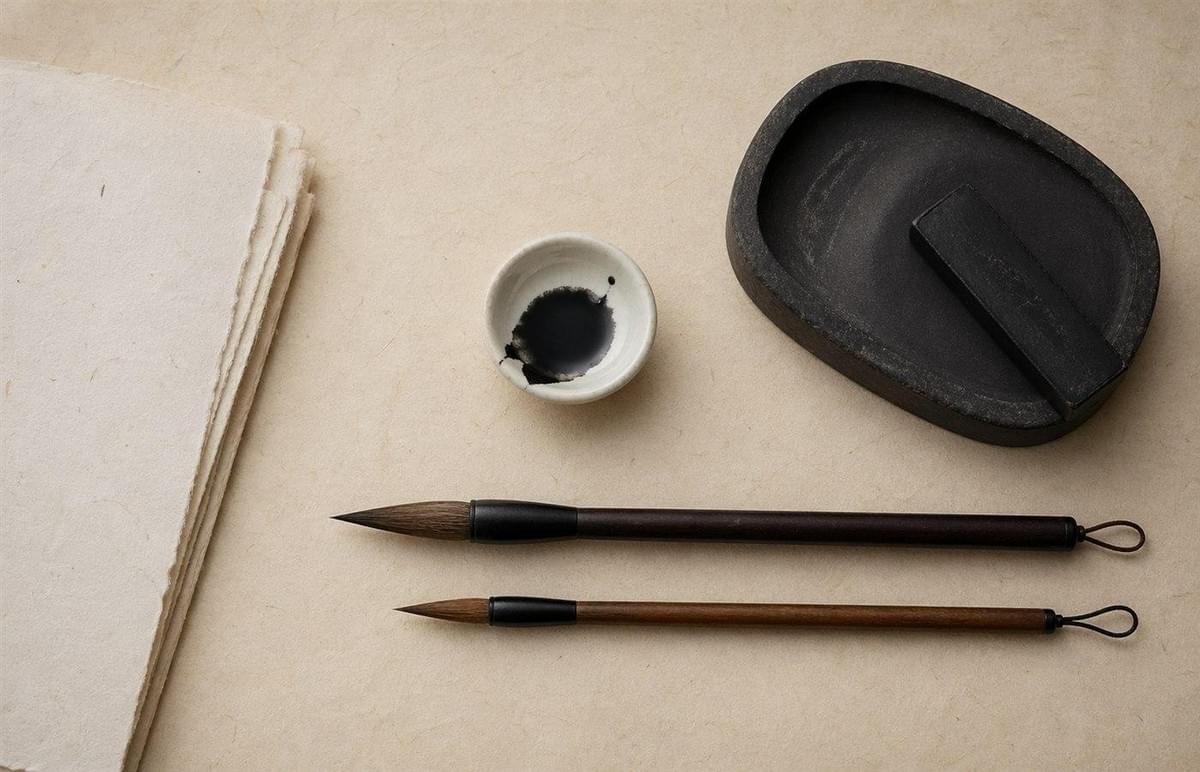
[The traditional tools of Japanese calligraphy include the fude (brush), sumi (ink), suzuri (inkstone), and washi (Japanese paper), each playing an essential role in creating expressive calligraphic works.]
Although beginners may start with calligraphy pens and practice paper, traditional materials provide a far richer artistic experience.
The Role of Calligraphy in Modern Japan
Despite living in a digital world, Japan continues to preserve Shodō as an essential cultural tradition. Most primary schools introduce calligraphy classes, where students learn not only handwriting but also discipline, patience, concentration, and respect for tradition. Outside the classroom, Shodō remains visible throughout Japanese society.
Calligraphy appears in:
* Temple scrolls
* Traditional architecture
* Tea ceremony rooms
* Martial arts dojos
* Cultural festivals
* Official certificates
* Restaurant signage
* Contemporary art galleries
Many modern artists also blend traditional brush techniques with abstract painting, graphic design, installation art, and digital media, demonstrating the remarkable adaptability of this ancient discipline.
Shodō as Contemporary Art
In recent decades, Japanese calligraphy has evolved beyond traditional forms into a respected branch of contemporary fine art. Artists experiment with monumental canvases, unconventional materials, expressive abstraction, and interdisciplinary practices that combine performance, music, dance, and live painting. International museums and galleries increasingly showcase Japanese calligraphy as visual art rather than merely written language. Collectors appreciate not only the cultural significance of these works but also their striking compositions, powerful gestures, and emotional immediacy. This growing global recognition has inspired artists from diverse cultural backgrounds to explore brush calligraphy as a universal language of expression.
Mindfulness Through Brushstrokes
Perhaps one of Shodō's greatest gifts is its ability to cultivate mindfulness. The slow preparation of ink, the careful positioning of paper, the controlled breathing, and the deliberate movement of the brush encourage practitioners to disconnect from distractions and focus entirely on the present moment. Many people today practice Japanese calligraphy as a form of meditation, stress relief, and creative self-discovery. Unlike fast-paced digital communication, Shodō invites individuals to slow down, observe, reflect, and appreciate the beauty found in simplicity. Every completed character becomes a record not only of language but also of thought, emotion, and presence.
A Timeless Artistic Legacy
Japanese calligraphy is a living tradition that beautifully bridges history, philosophy, spirituality, and visual art. From its origins in ancient China to its evolution into a uniquely Japanese cultural treasure, Shodō continues to inspire generations with its elegance and expressive power. Whether practiced in a quiet temple, a classroom, or a contemporary art studio, Japanese calligraphy reminds us that true artistry lies not merely in technical perfection but in authenticity, discipline, and heartfelt expression. Each brushstroke is more than ink on paper, it is a reflection of the artist's mind, a celebration of cultural heritage, and an enduring testament to the beauty of simplicity. In an age driven by speed and technology, the timeless art of Shodō continues to offer something profoundly valuable: the opportunity to pause, breathe, and communicate through the silent poetry of the brush.