
From the 17-year legacy of Abu Dhabi Art to a new international platform, Frieze Abu Dhabi places the UAE capital at the intersection of global art, cultural exchange and collecting.
A significant transformation is taking place in the cultural landscape of the Gulf. After seventeen years of building one of the region’s most respected platforms for artists, galleries, collectors and cultural institutions, 'Abu Dhabi Art' is entering a new era as 'Frieze Abu Dhabi'. The inaugural edition will take place from 19–22 November 2026 at Manarat Al Saadiyat, positioning the UAE capital within Frieze’s international network of art fairs while retaining the cultural foundations developed by Abu Dhabi over nearly two decades.
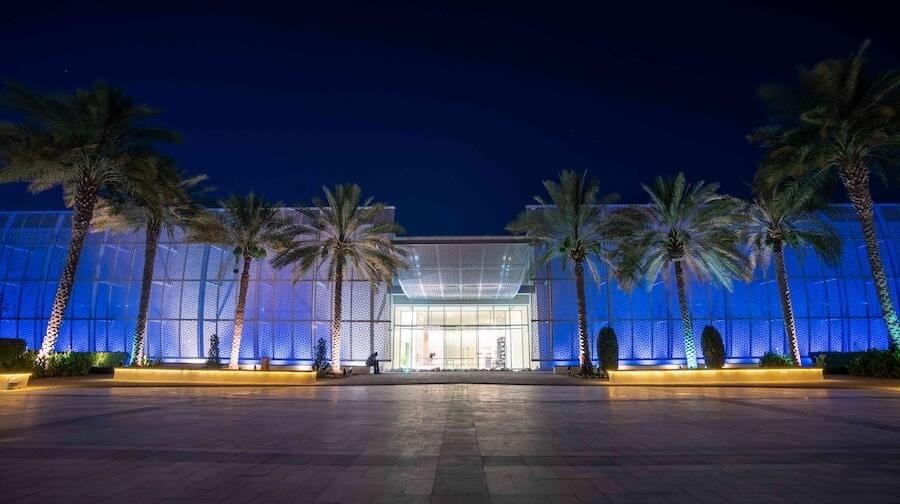
More than a change of name, the transition represents an important moment in the evolution of Abu Dhabi’s cultural ambitions. Established through a partnership between Frieze and the Department of Culture and Tourism – Abu Dhabi (DCT Abu Dhabi), the fair builds directly upon Abu Dhabi Art’s legacy while connecting the emirate more deeply with the international art market and Frieze’s global community.
The inaugural edition brings together 84 galleries from 64 cities across 37 countries and regions, presenting artistic practices and objects ranging from antiquity and historical material to modern and contemporary art.
FROM ABU DHABI ART TO FRIEZE ABU DHABI
For seventeen years, Abu Dhabi Art helped create something far more substantial than an annual marketplace. It cultivated relationships. Artists encountered institutions. Galleries developed regional audiences. Collectors discovered practices beyond established art-market centres. Curators, cultural practitioners and audiences from across the UAE and internationally gathered around a platform that increasingly reflected Abu Dhabi’s growing confidence as a cultural capital.
Frieze Abu Dhabi inherits this foundation. Rather than replacing the history of Abu Dhabi Art, the new fair extends it into another international context. Frieze brings its established global network and editorial and curatorial identity, while Abu Dhabi contributes an increasingly distinctive cultural ecosystem shaped by museums, foundations, universities, artist initiatives, galleries and sustained government investment in culture.
The result has the potential to become something particular to the region: an international fair with global reach, but one whose identity remains informed by the UAE and the interconnected histories of West Asia, North Africa and South Asia (WANASA). Frieze Abu Dhabi is led by Director Dyala Nusseibeh, whose long association with Abu Dhabi Art provides continuity at a moment of major transformation.
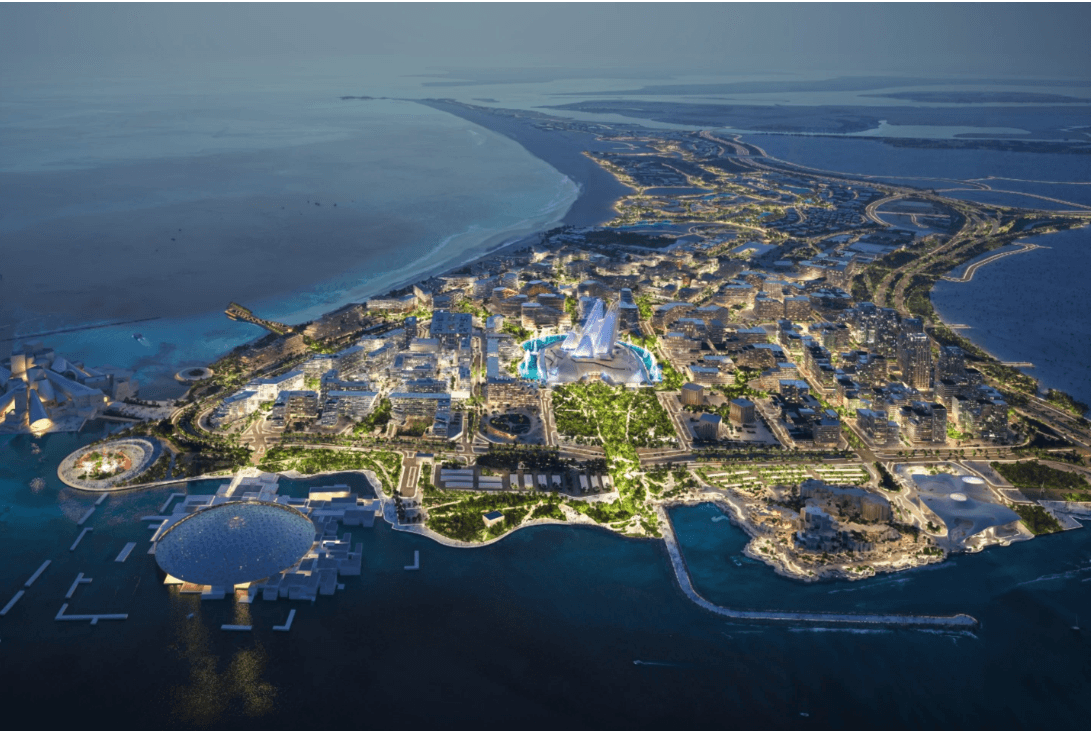
Photo Credit: Frieze Abu Dhabi 2026 © Department of Culture and Tourism – Abu Dhabi.
84 GALLERIES. 64 CITIES. 37 COUNTRIES AND REGIONS.
The scale of the inaugural edition immediately signals its international ambitions. Leading galleries from the UAE and wider region will appear alongside some of the most recognised names in the international art market.
The UAE representation includes galleries such as Carbon 12, Lawrie Shabibi, The Third Line, Tabari Artspace, Green Art Gallery, Ayyam Gallery, Efie Gallery, Iris Projects, Gallery Isabelle, Salwa Zeidan Gallery and others.
Across the wider region, participating galleries include Athr and Hafez Gallery from Saudi Arabia; Saleh Barakat Gallery, Mark Hachem, Galerie Tanit and Sfeir-Semler Gallery from Lebanon; Gypsum and ArtTalks | Kanafani Gallery from Cairo; and A.Gorgi Gallery, Elmarsa Gallery, Selma Feriani and Le Violon Bleu Gallery from Tunis, among a much broader regional presence.
South Asia also occupies an important position in the fair, with galleries including Experimenter, Galerie Isa, Jhaveri Contemporary, Nature Morte and Project 88. They will share the fair with major international galleries including Gagosian, Pace Gallery, Thaddaeus Ropac, Timothy Taylor, Victoria Miro, Perrotin, Galleria Continua, Waddington Custot, Vito Schnabel Gallery and others.
This coexistence is particularly significant. It places established international art-market powerhouses alongside galleries whose programmes have been instrumental in shaping contemporary art histories and emerging practices across the Gulf, West Asia, Africa and South Asia.
FOUR SECTIONS, MULTIPLE HISTORIES
Frieze Abu Dhabi is structured through four principal areas: Galleries, Focus, Frieze Masters Abu Dhabi and Global Futures. The main 'Galleries' section forms the commercial and contemporary core of the fair, bringing together more than 60 galleries and presenting works primarily from the mid-20th century through to contemporary practice. But some of the inaugural edition’s most distinctive ideas emerge through its curated sections.
FOCUS: INVESTING IN THE NEXT GENERATION
'Focus' turns attention towards younger international galleries through experimental solo and dual presentations. Frieze is supporting participating galleries with bursaries, an important gesture in an art-fair environment where the financial cost of international participation can often limit access for younger organisations. Artists presented within Focus include Tahir Karmali, Chonon Bensho, Marigold Santos, Jawad Al Malhi, Dala Nasser and Thuy Tien Nguyen. The section introduces an essential counterpoint to the established galleries elsewhere in the fair: experimentation, emerging voices and practices that may still be developing their place within the international market.
FRIEZE MASTERS ABU DHABI: LOOKING BACK TO UNDERSTAND THE PRESENT
One of the most intriguing elements of Frieze Abu Dhabi is the arrival of 'Frieze Masters Abu Dhabi', curated by Marika Sardar. Rather than limiting the fair to modern and contemporary art, the section expands its historical horizon considerably, bringing antiquities, manuscripts, rare books and objects extending into the early 20th century into conversation with the present.
For its inaugural edition, Frieze Masters Abu Dhabi looks towards the 'Indian Ocean'. This curatorial lens is especially relevant to Abu Dhabi. For centuries, the Indian Ocean connected communities across Africa, the Arabian Peninsula, Persia and South and Southeast Asia. Goods travelled through these routes, but so did languages, beliefs, aesthetics, technologies and ideas. By examining this circulation, Frieze Masters Abu Dhabi creates an opportunity to reconsider art history not simply through fixed geographical borders, but through movement and exchange. Specialist participants in the section include dealers in antiquities, manuscripts and rare books, expanding the experience of Frieze Abu Dhabi beyond the conventional contemporary art fair.
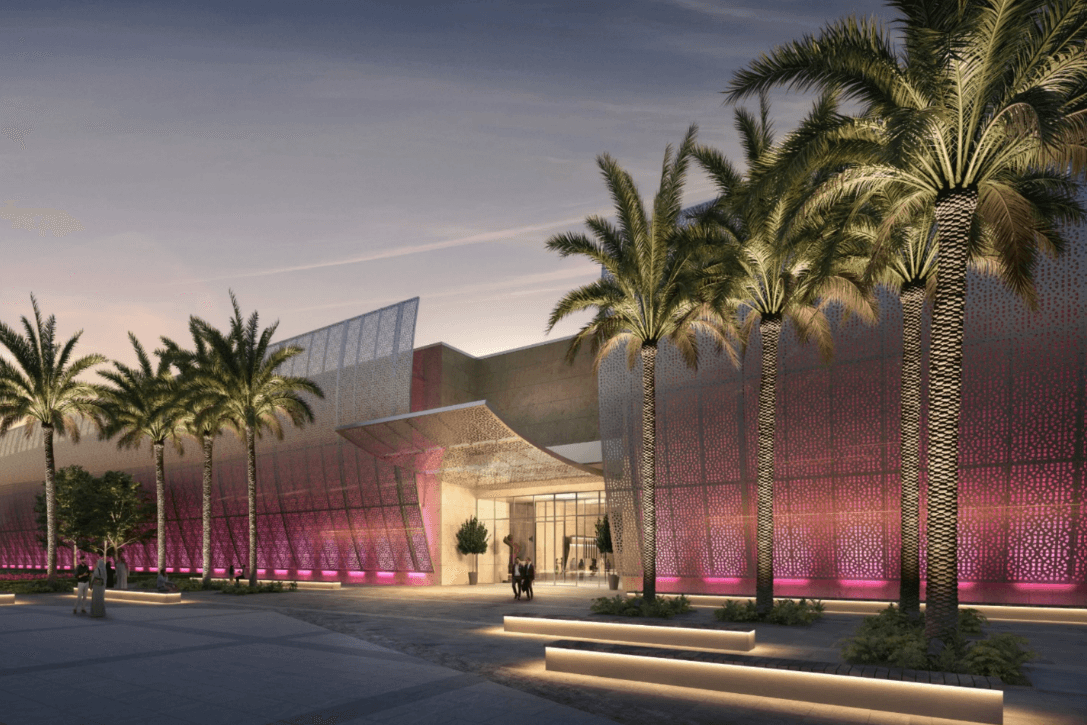
Photo Credit: Frieze Abu Dhabi 2026 © Department of Culture and Tourism – Abu Dhabi.
GLOBAL FUTURES: REIMAGINING CULTURAL HISTORIES
If Frieze Masters looks towards histories of movement, 'Global Futures' asks how those histories continue to shape contemporary artistic thought. Curated by independent curator and writer 'Tarini Malik', the section brings together solo presentations by artists across generations and geographies whose work engages with cultural histories connected to the UAE and the wider region.
Among the participating artists are Abdullah Al Saadi, Ala Younis, Arshi Irshad Ahmadzai, Tania Candiani, Mohammed Joha and Seta Manoukian. The presence of Emirati conceptual artist Abdullah Al Saadi is particularly resonant. His practice has long explored landscape, memory, documentation, personal archives and lived experience, offering a distinctly regional perspective that nevertheless speaks to broader contemporary concerns. Together, Global Futures and Frieze Masters Abu Dhabi are led by an all-female curatorial line-up, bringing two different temporal perspectives into the fair: one examining the movement of objects and ideas through history, the other considering how artists reinterpret cultural memory for the future.
BEYOND THE BOOTH
Frieze Abu Dhabi is also being conceived as more than a collection of commercial gallery stands. The wider programme introduces the inaugural 'Frieze Abu Dhabi Artist Award', alongside 'Frieze Sculpture', talks and 'In Dialogue', a new annual exhibition format pairing an established UAE artist with an emerging artist. These initiatives could become important to the fair’s identity. In a region where cultural infrastructure has expanded dramatically, the question is increasingly not simply which artworks are being bought and sold, but what forms of knowledge, critical conversation and artistic opportunity are being generated around the market. Frieze Abu Dhabi appears determined to occupy both spaces.
ABU DHABI'S CULTURAL ECOSYSTEM
The choice of Manarat Al Saadiyat carries symbolic weight. The venue sits within the wider Saadiyat Cultural District, placing the fair in proximity to an extraordinary concentration of museums and cultural institutions. Louvre Abu Dhabi has already transformed the cultural profile of the capital, while Zayed National Museum and the forthcoming Guggenheim Abu Dhabi contribute to an institutional landscape of international significance. Frieze Abu Dhabi therefore does not arrive in isolation. It arrives within an ecosystem that Abu Dhabi has spent years constructing.
This distinction matters. Major art fairs can bring collectors, galleries, curators and international visibility to a city for several days. Museums, educational institutions, artist programmes and long-term cultural policy determine what remains when those visitors leave. Abu Dhabi increasingly possesses both.
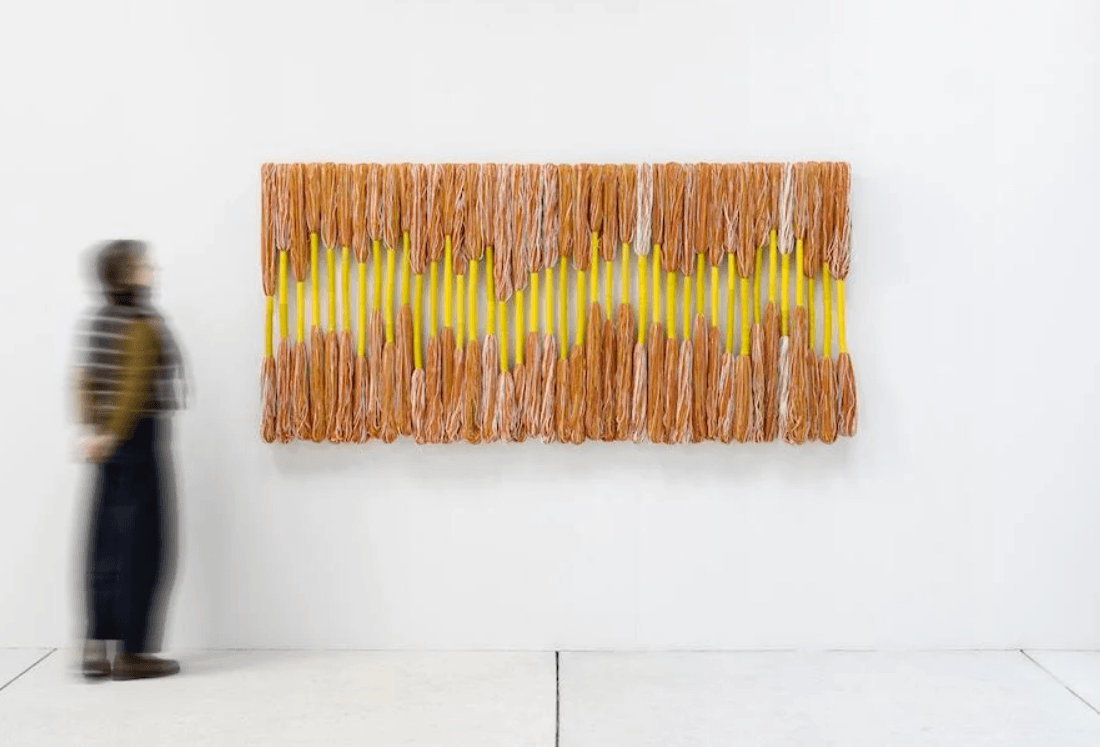
Sheila Hicks, Contained Energy, 2026. Linen. Courtesy: the artist and galerie frank elbaz. Photo: Claire Dorn
A GATEWAY BETWEEN ART WORLDS
Perhaps the greatest opportunity for Frieze Abu Dhabi lies in geography, not simply physical geography, but cultural geography. The UAE occupies an unusual position between regions traditionally separated within conventional art-market narratives: the Middle East, South Asia, Africa, Europe and increasingly East and Southeast Asia.
The participating galleries themselves reveal these connections. Dubai meets Mumbai. Abu Dhabi meets London. Beirut meets Seoul. Tunis meets New York. Jeddah meets Paris. Cairo meets Hong Kong. Within this context, Abu Dhabi can operate not merely as another destination on the international fair calendar, but as a meeting point between art worlds that have historically been discussed separately. That possibility may ultimately distinguish Frieze Abu Dhabi from its sister fairs.
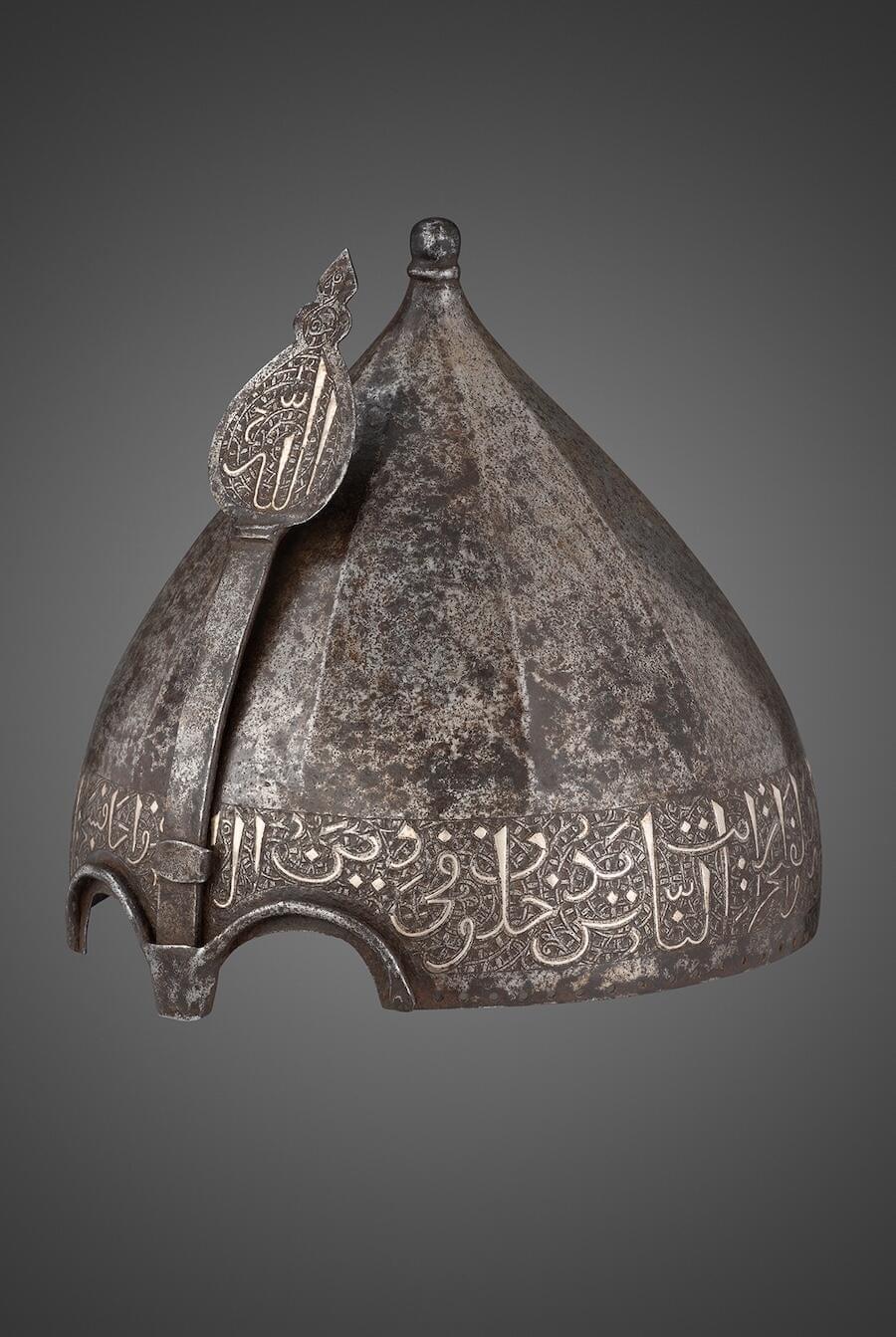
A rare helmet relating to the khokh ord or blue horde, central Asia, mid-14th century. Photo courtesy: Peter Finer
MORE THAN A REBRANDING
The arrival of Frieze inevitably brings international attention, commercial influence and the prestige associated with one of contemporary art's best-known global platforms. Yet the significance of this transition will ultimately depend upon how successfully Frieze Abu Dhabi balances internationalisation with regional depth. Abu Dhabi Art created a community over seventeen years. Its legacy cannot be measured simply through exhibitor numbers or sales, but through relationships, artistic careers, institutional partnerships and the audiences that grew alongside it. Frieze Abu Dhabi now inherits that responsibility.
If it succeeds in combining Frieze's international reach with Abu Dhabi's existing cultural foundations, while maintaining meaningful space for regional artists, younger galleries, scholarship, experimentation and critical dialogue, the fair could become far more than the Gulf edition of an international art-fair brand. It could develop a character entirely its own.
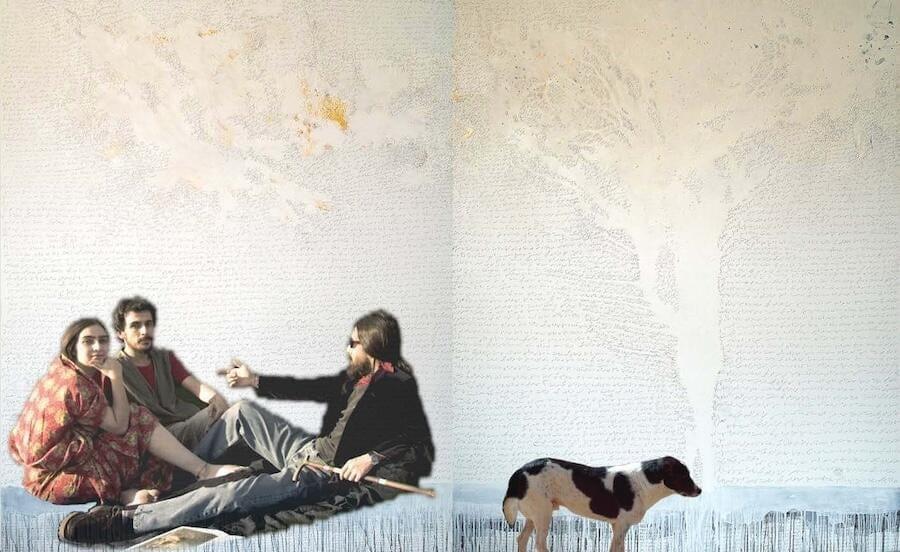
Farideh Lashai, Le Dejeuner au Park Mellat (diptych), 2008-2010. Edition of 3 plus 2 AP, unique painting. Projected animated photographic images on painting (oil, acrylic, and graphite on canvas) and sound. Courtesy: Leila Heller Gallery
A NEW CHAPTER BEGINS
When the doors of Manarat Al Saadiyat open in November, visitors will encounter far more than the first edition of a newly named art fair. They will witness the convergence of seventeen years of cultural groundwork with a new international ambition. Frieze Abu Dhabi represents continuity and transformation at once: Abu Dhabi Art's regional legacy meeting Frieze's global network, historical material meeting contemporary practice, established galleries meeting emerging voices, and local cultural knowledge entering an increasingly interconnected international conversation.
For Abu Dhabi, the moment further reinforces a cultural trajectory that has been years in the making. For Frieze, it provides a gateway into one of the world's most rapidly developing and culturally interconnected regions And for artists, galleries, curators, collectors and audiences, November 2026 may mark the beginning of an important new meeting point on the global art map.
Frieze Abu Dhabi 2026 | 19–22 November 2026
Manarat Al Saadiyat | Saadiyat Cultural District | Abu Dhabi, UAE
*Source information: Frieze and Frieze Abu Dhabi official announcements. Gallery participation is based on the announced inaugural line-up and remains subject to change.
Photo Credit: Frieze Abu Dhabi 2026 © Department of Culture and Tourism – Abu Dhabi.
By Yousef Mohammed | Staff Writer | Art4you Magazine